
Yesterday underway to Explorer Basin while reviewing the weather for the week, we noticed that conditions looked potentially favorable for a run down to Egg Harbor on Coronation Island. We’ve taken our group down here a couple times, and we’ve had it on the itinerary for a few years…but since getting to the island is very dependent on weather, we’ve had to scrap those plans several years in a row. We didn’t even have it on the list this year. But with the predicted light wind, and swells of 3-4ft at 10 seconds (and even less for the run back north), we couldn’t pass up the opportunity.
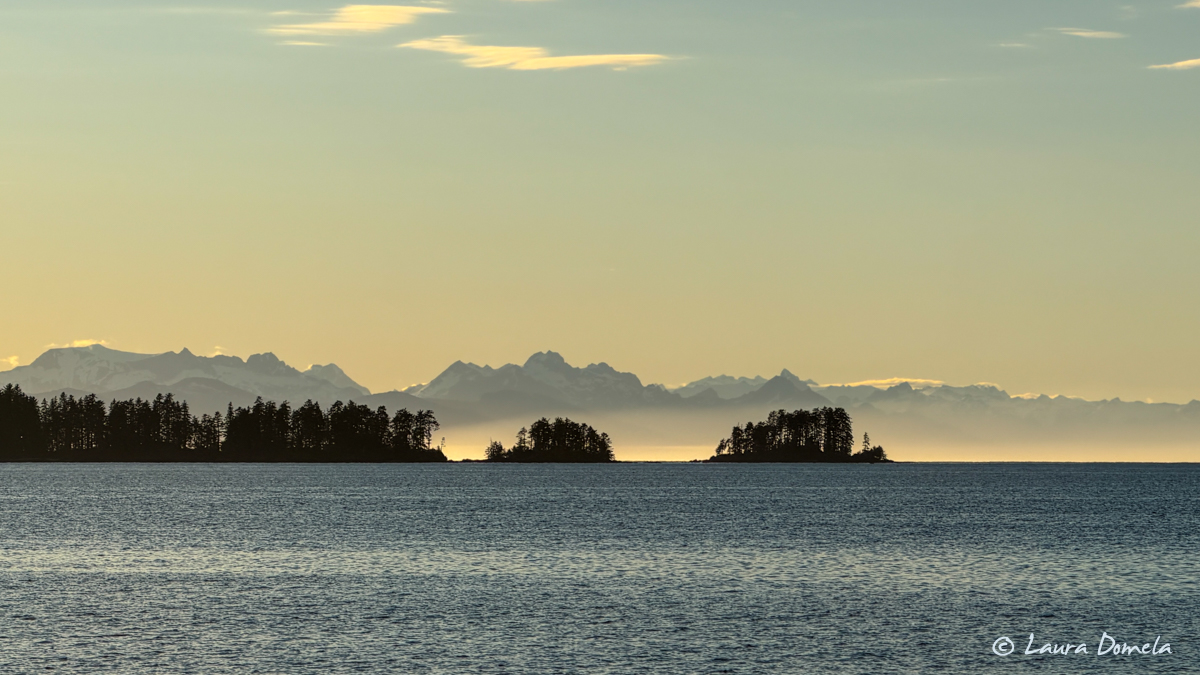
We discussed it with the group over chat (everyone said “Yes, let’s go!”), so we reworked the daily plan for today.
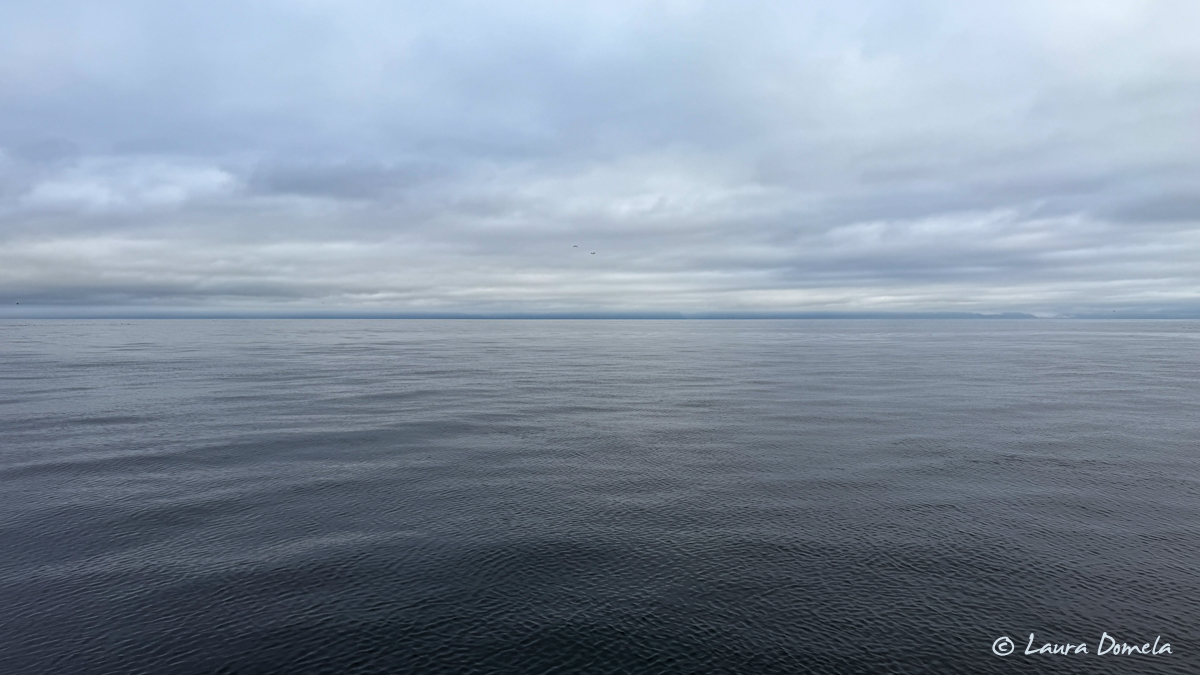
Conditions in Southern Chatham Strait this morning were calm and gray. No rain.
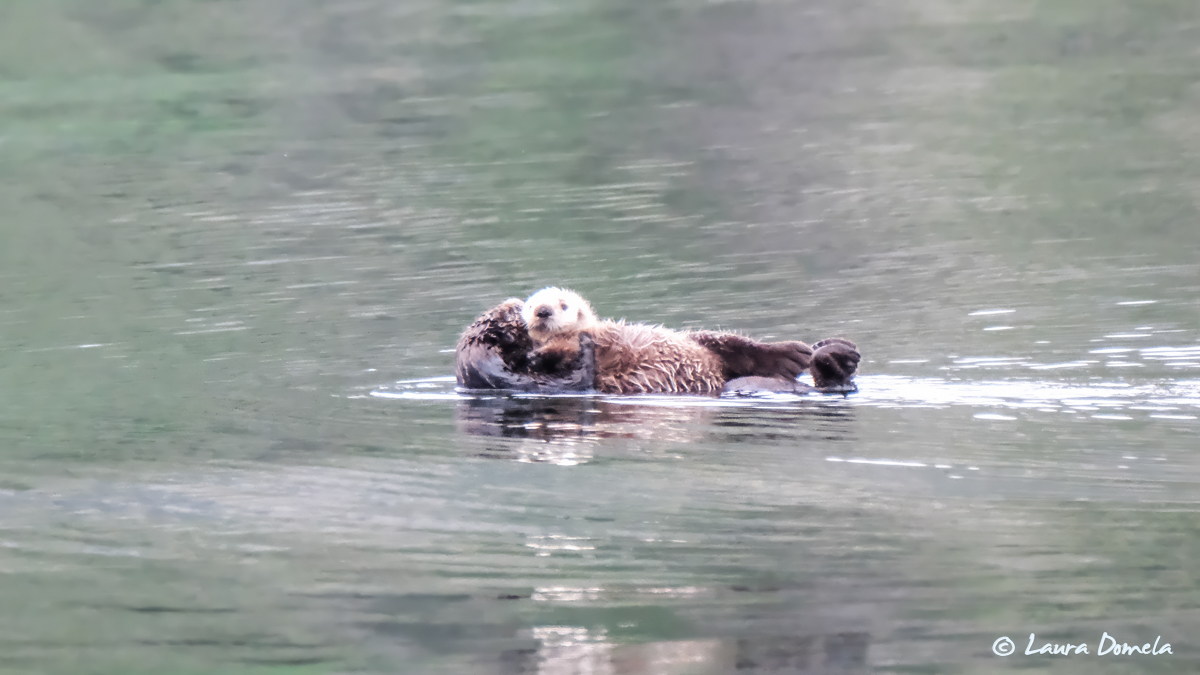
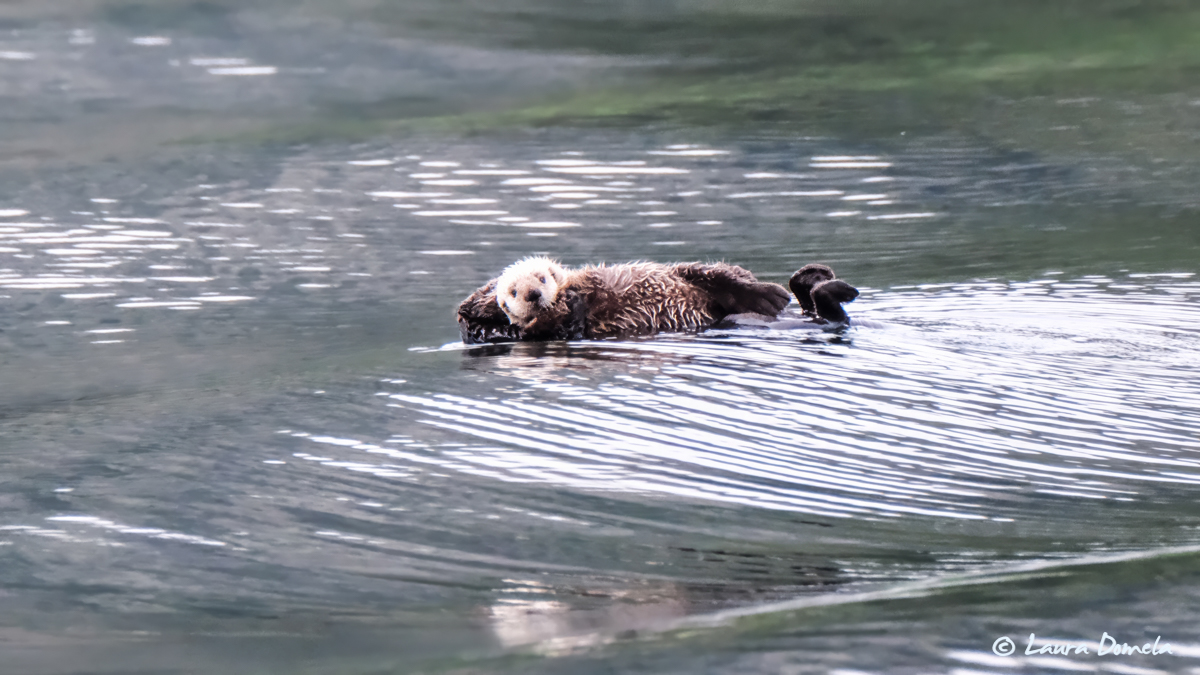
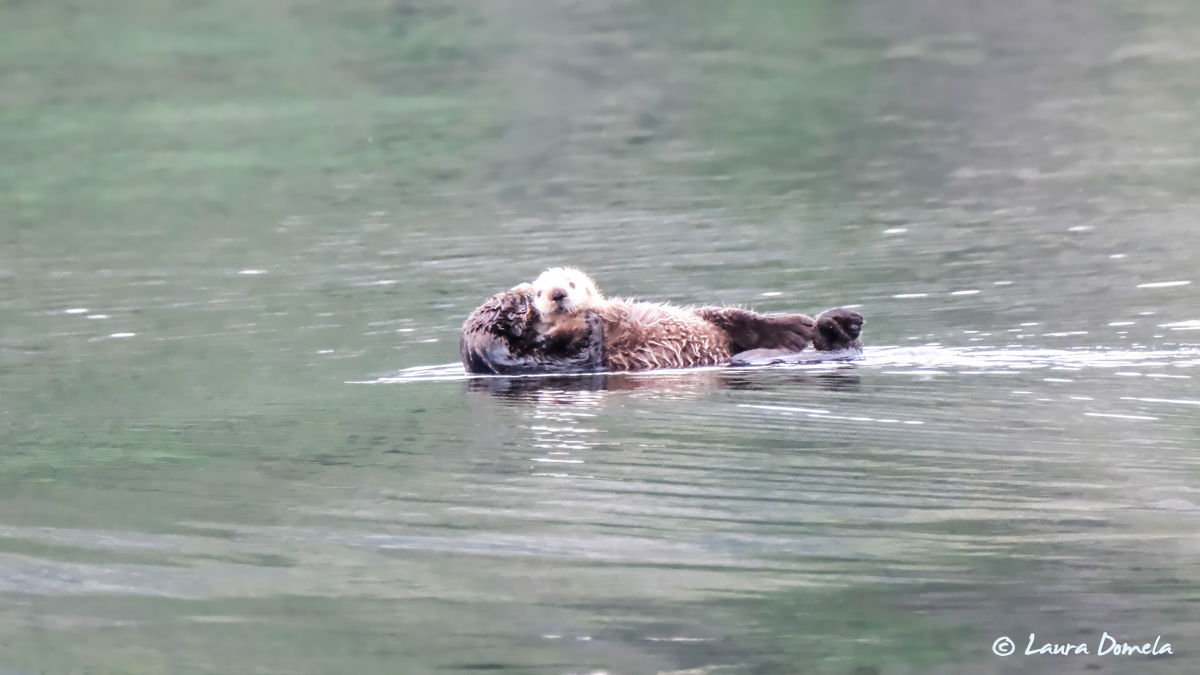
As we exited Explorer Basin we passed this cute little otter baby on its mama’s tummy.
Outside the bay, herring balls everywhere sparkled on the water’s surface while eagles and whales had breakfast.
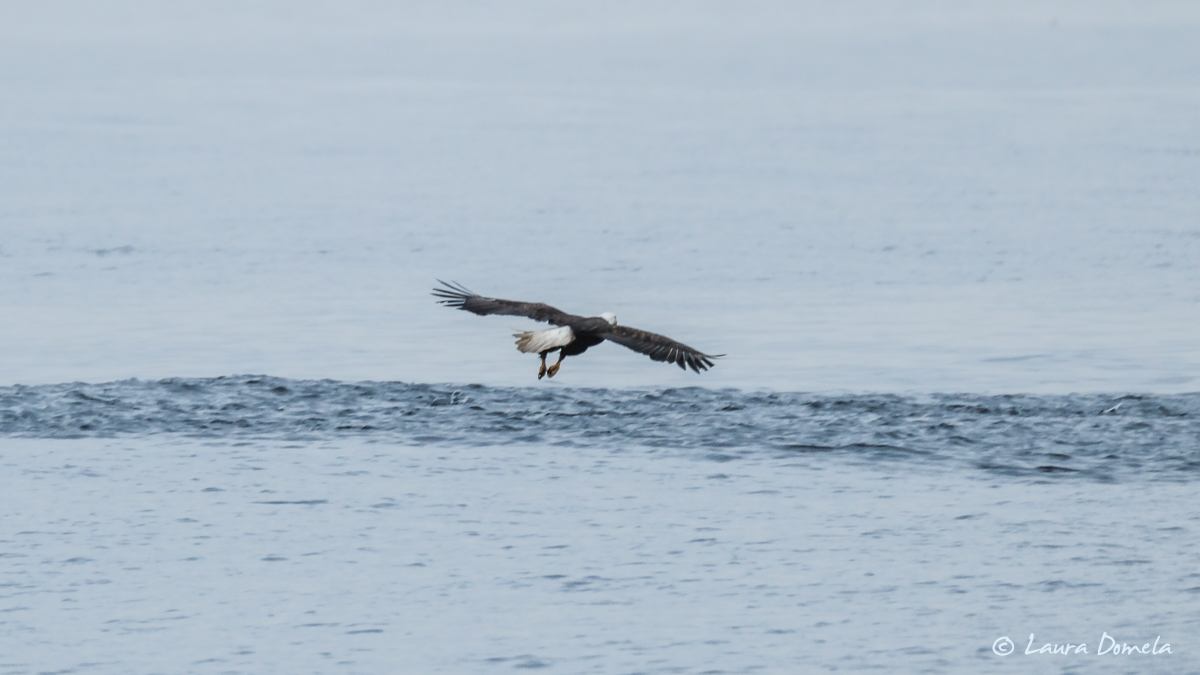
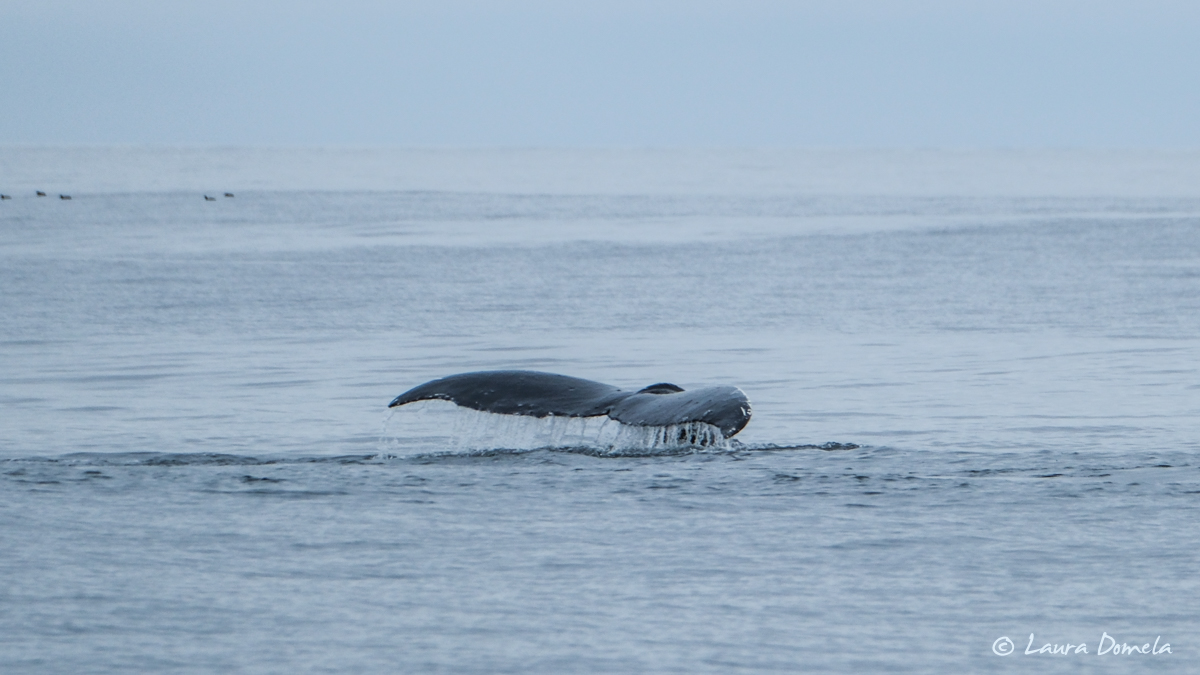
While focused on tracking the eagle with my long lens, I missed this humpback as it emerged mouth-first into this herring ball. I did get a quick (slightly blurry) photo of the underside of its fluke, and it was this whale: SEAK-1882, a male called Kai Koa, first reported sighting in Alaska in 2004.
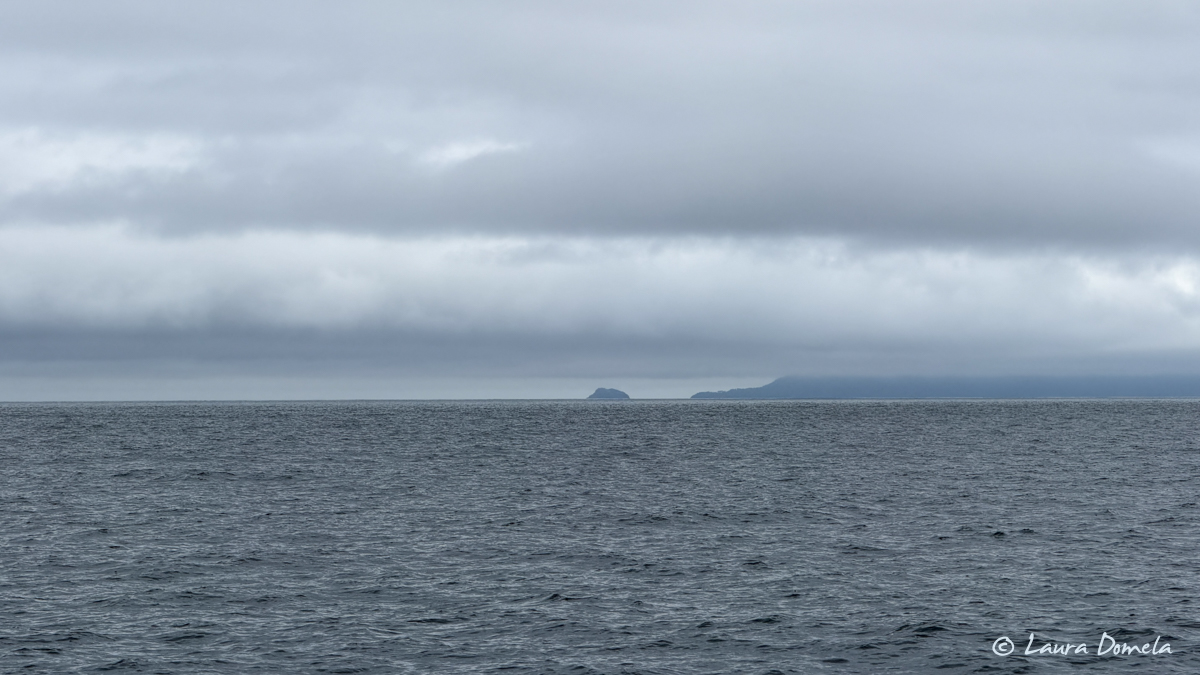
Swells were just about as advertised — 3 to 5 feet at 9 to 10 seconds. Not bad (even for us unstabilized types).
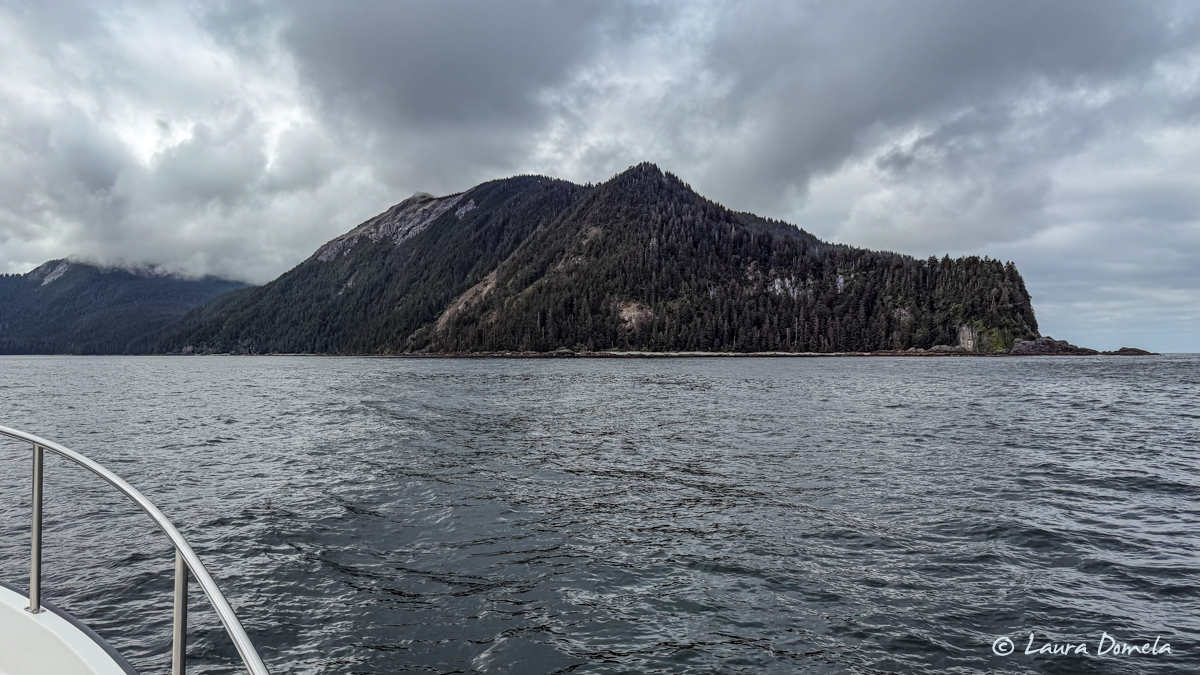
Coronation Island is a remote, unpopulated, protected 19,232-acre wilderness reserve. Known for its sheer cliffs, lush Sitka spruce and western hemlock forests, limestone caves, and Colander Cave, where an 11,000-year-old fossilized brown bear was discovered in 2001, a fossil that provided crucial evidence about the post-Ice Age migration of bears in the region.
The Henyakwan Tlingit traditionally used Coronation Island and would often camp in Egg Harbor while waiting for fair weather to travel out to the Hazy Islands, where they would gather bird eggs. A lead mine operated on the west shore of Egg Harbor from the early 1900s until the late 1960s.
The island was named by Captain George Vancouver in 1793 in honor of the coronation anniversary of King George III.
Immediately after Airship was anchored, Kevin put a halibut rod down (we’ve caught halibut from anchor here before) and then decided to jig with the little jigging rod just to see what came up while we waited for the others to go dinghy to shore. Within one minute (!!!) he had something biggish on the jigging rod and guess what? Another big halibut on the jigging rod…just like last time we were here! We grabbed the gaff, but the fish took off, broke the hook from the jig, and got away.
A few of us decided to dinghy up to the head of the bay and walk the beach a bit.
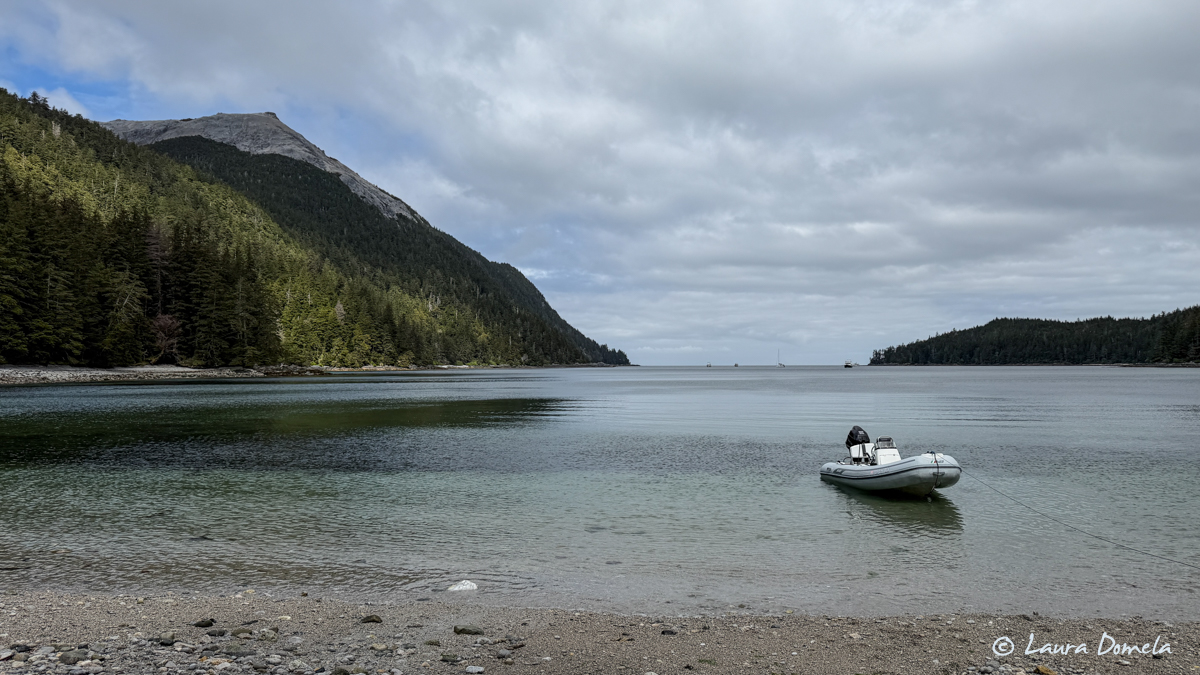
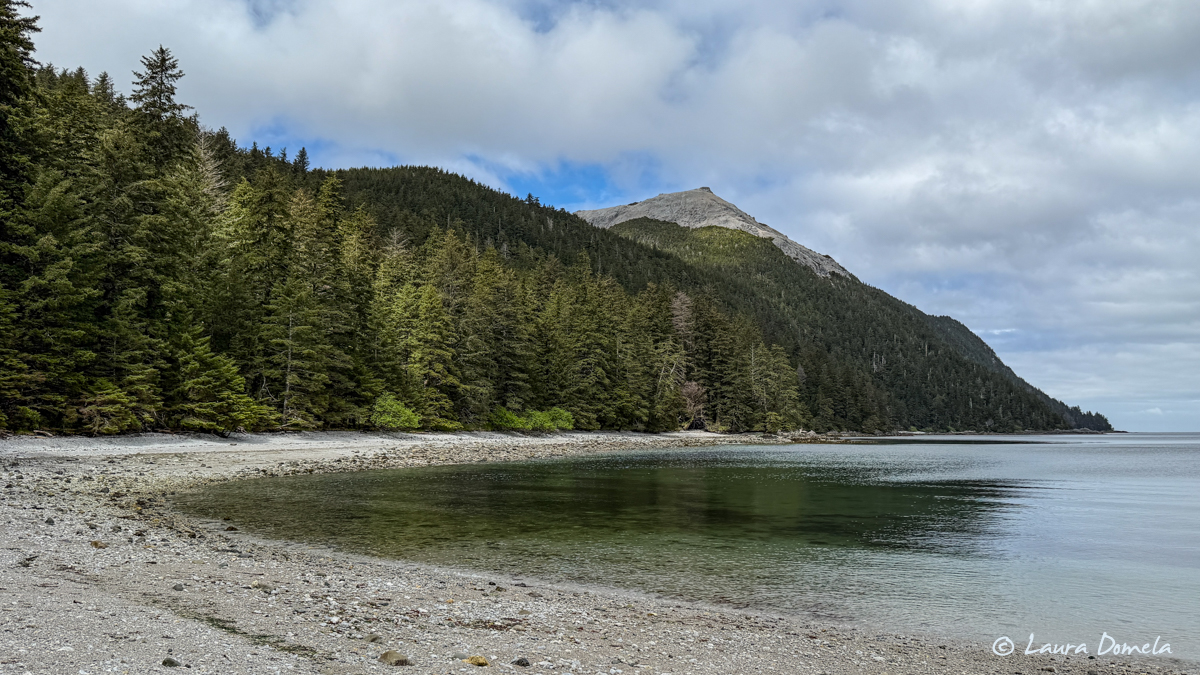
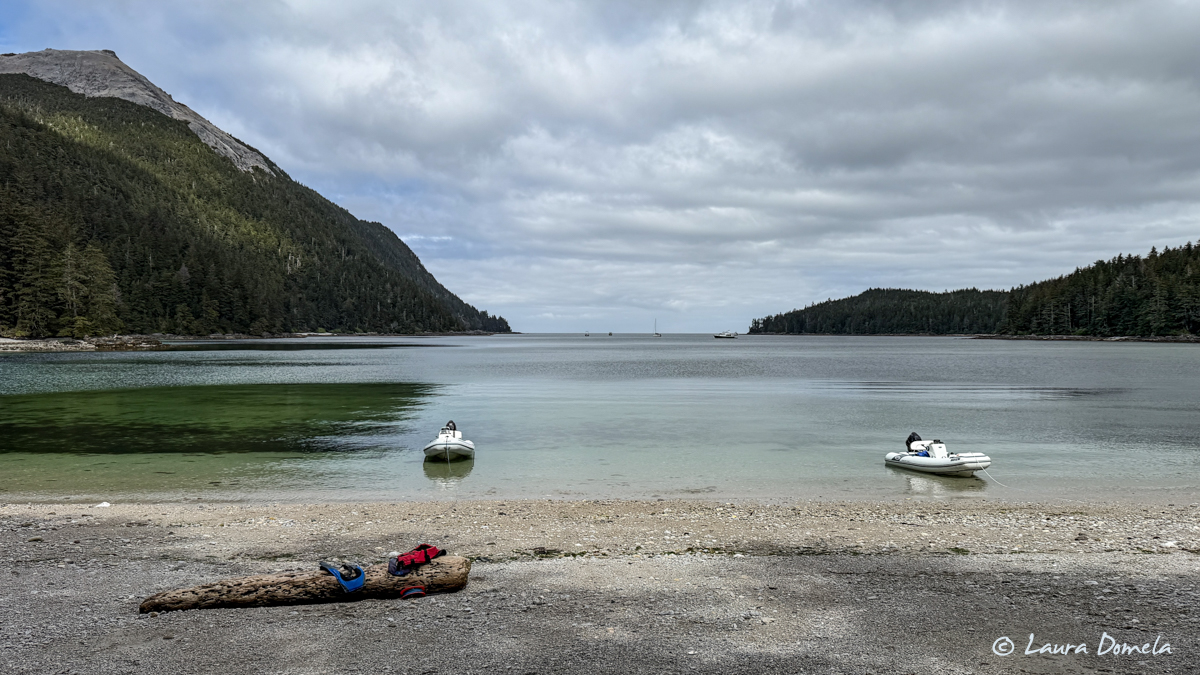
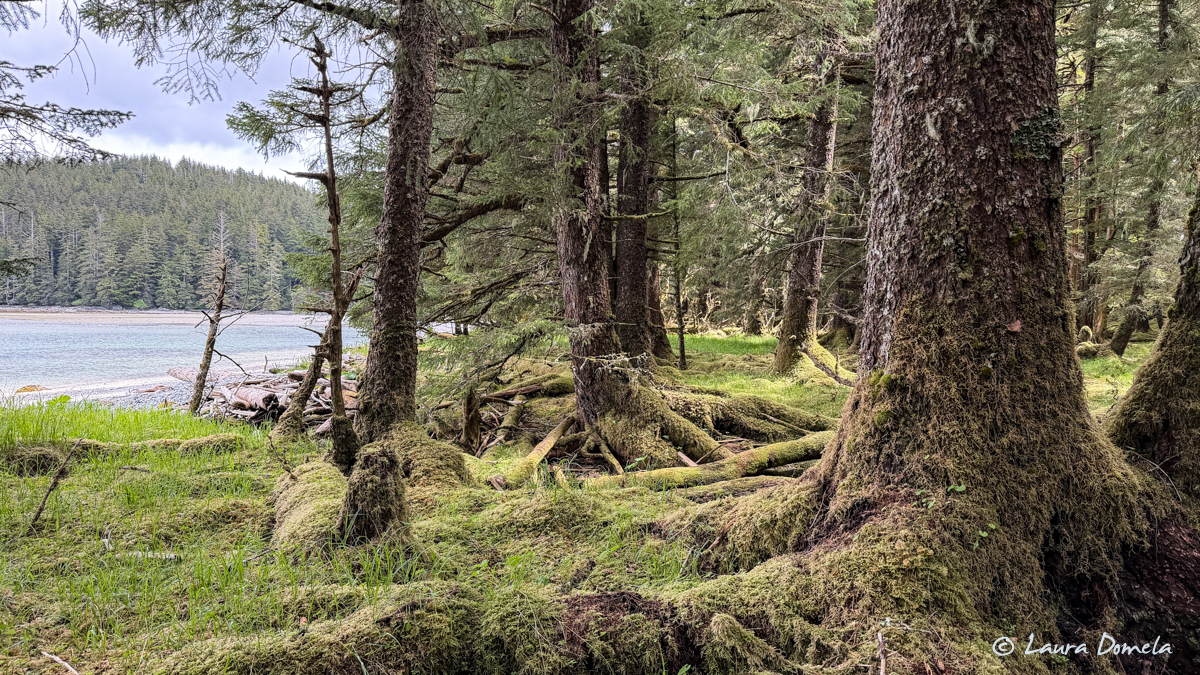
The forest here is dense, and the floor covered in thick, spongy moss.
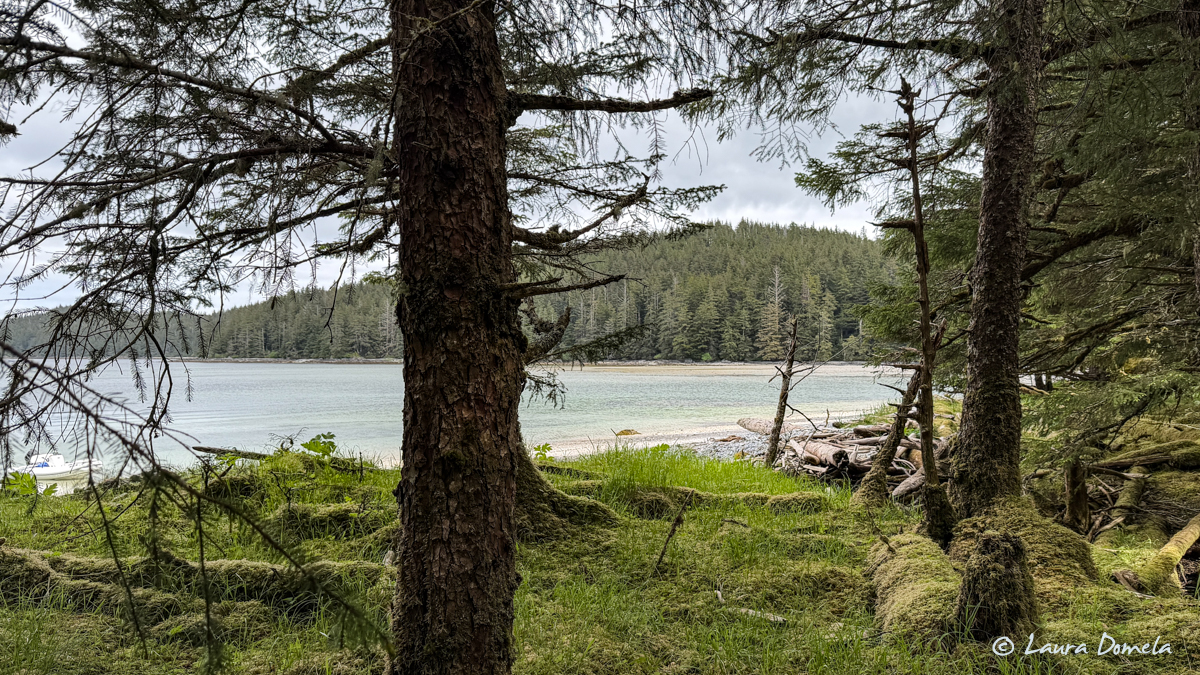
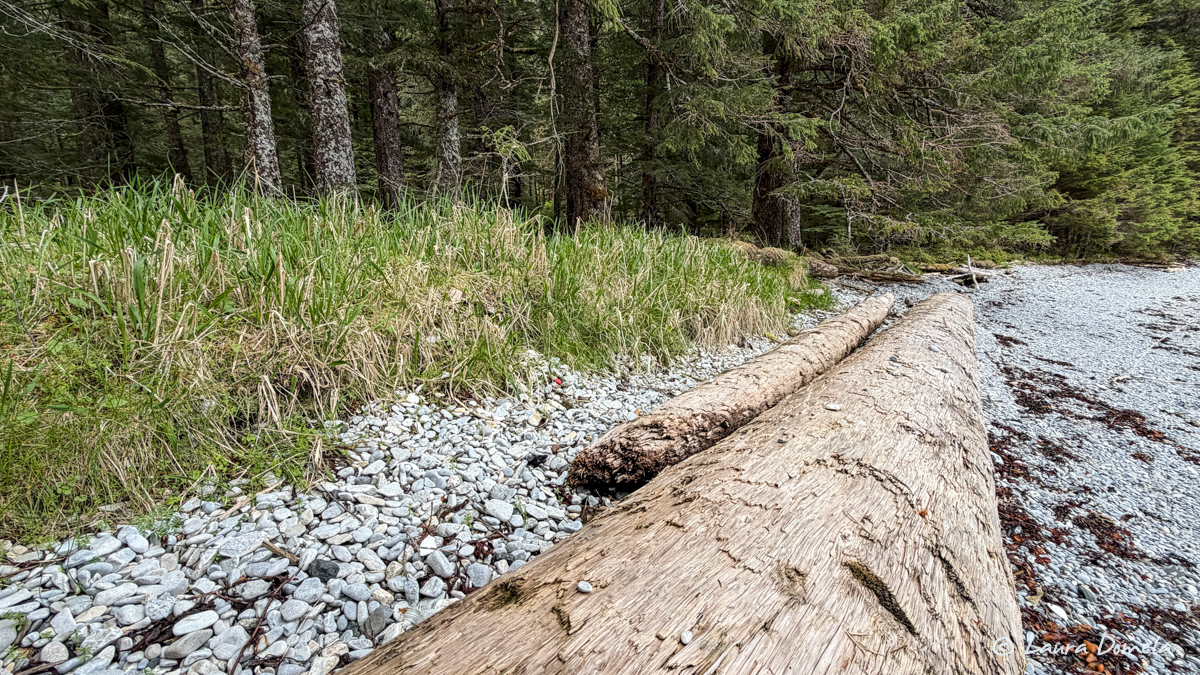
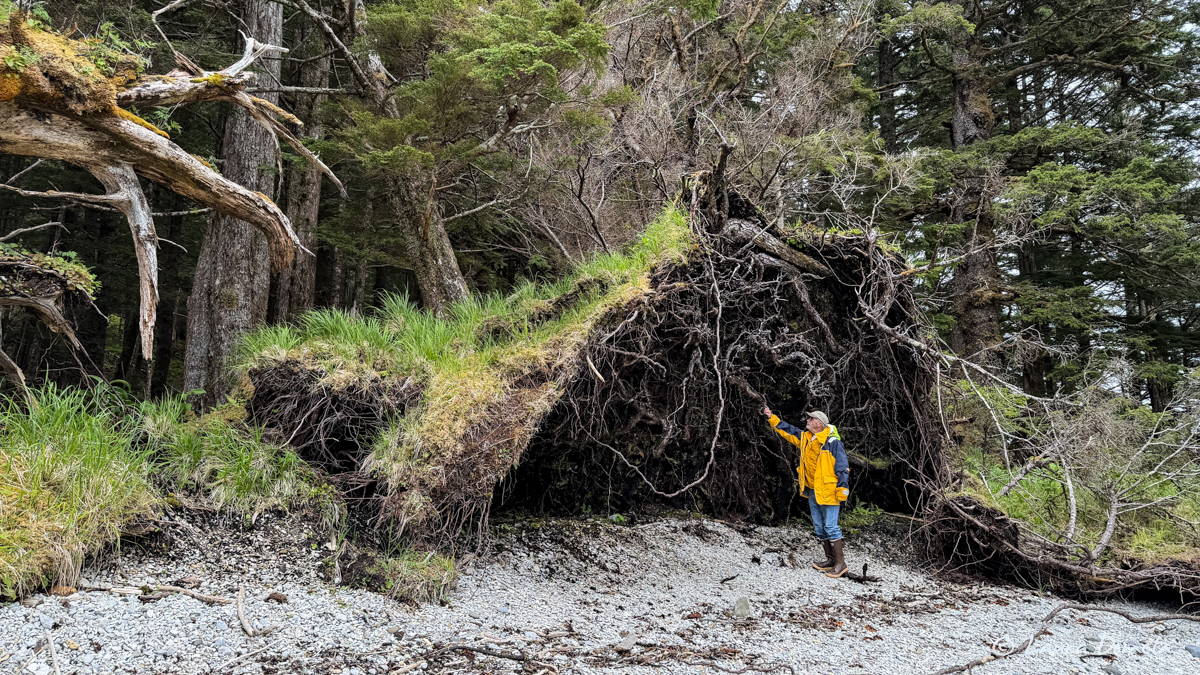
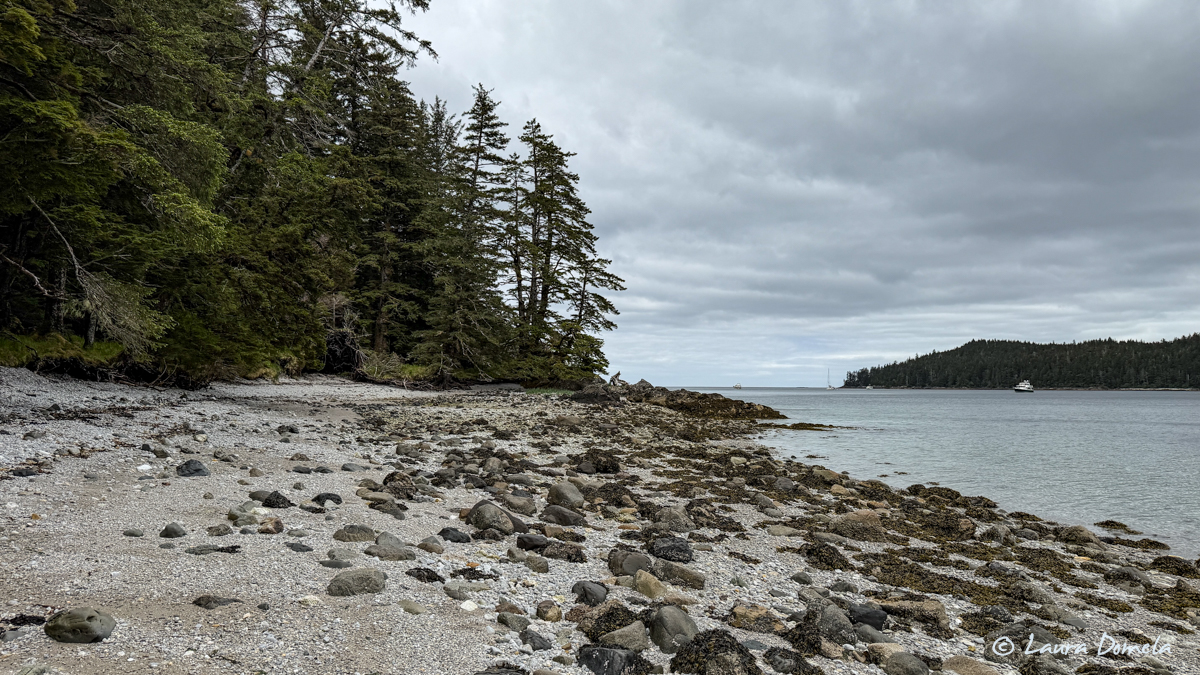
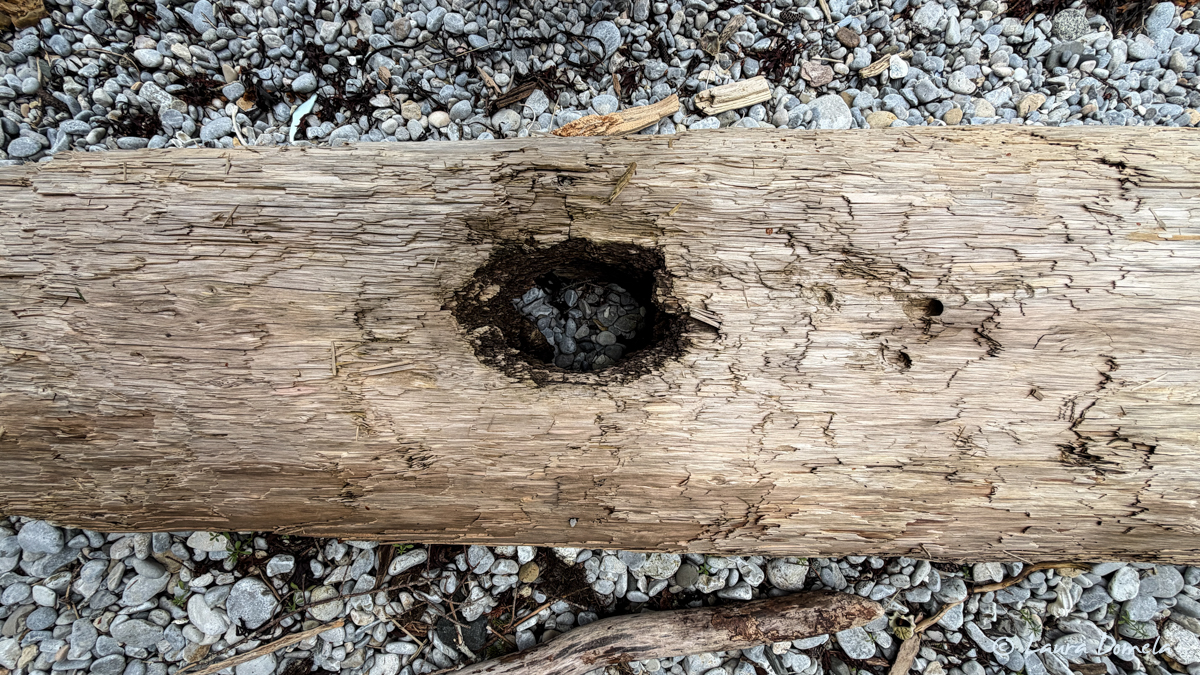
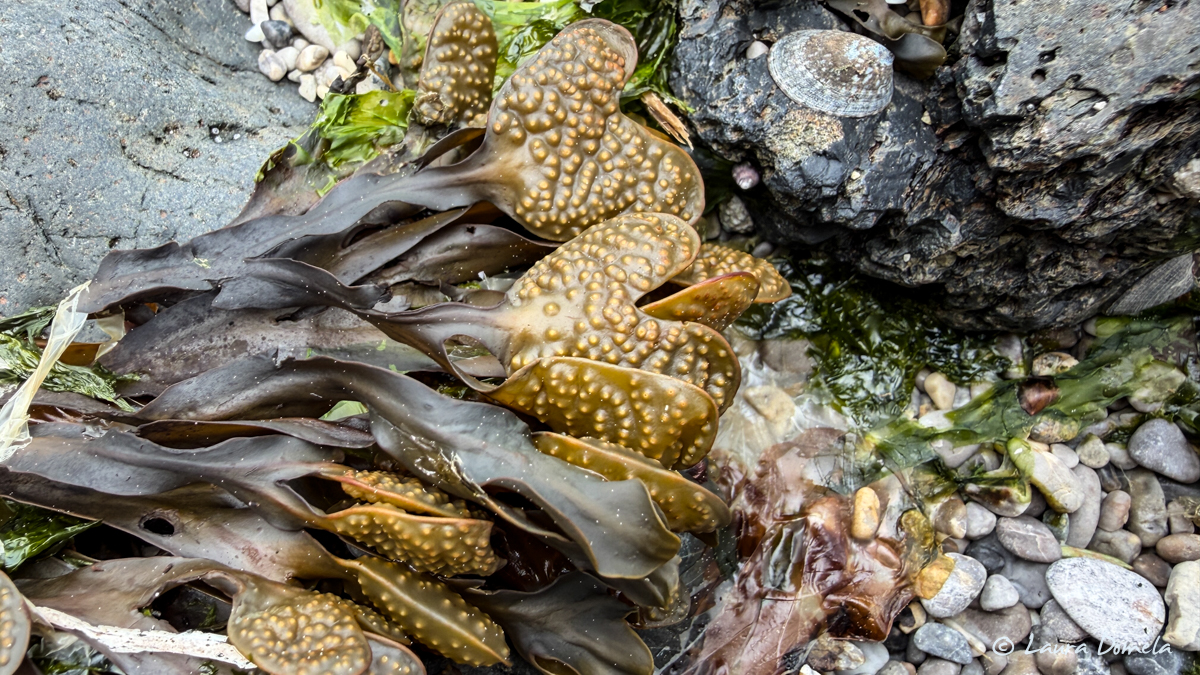
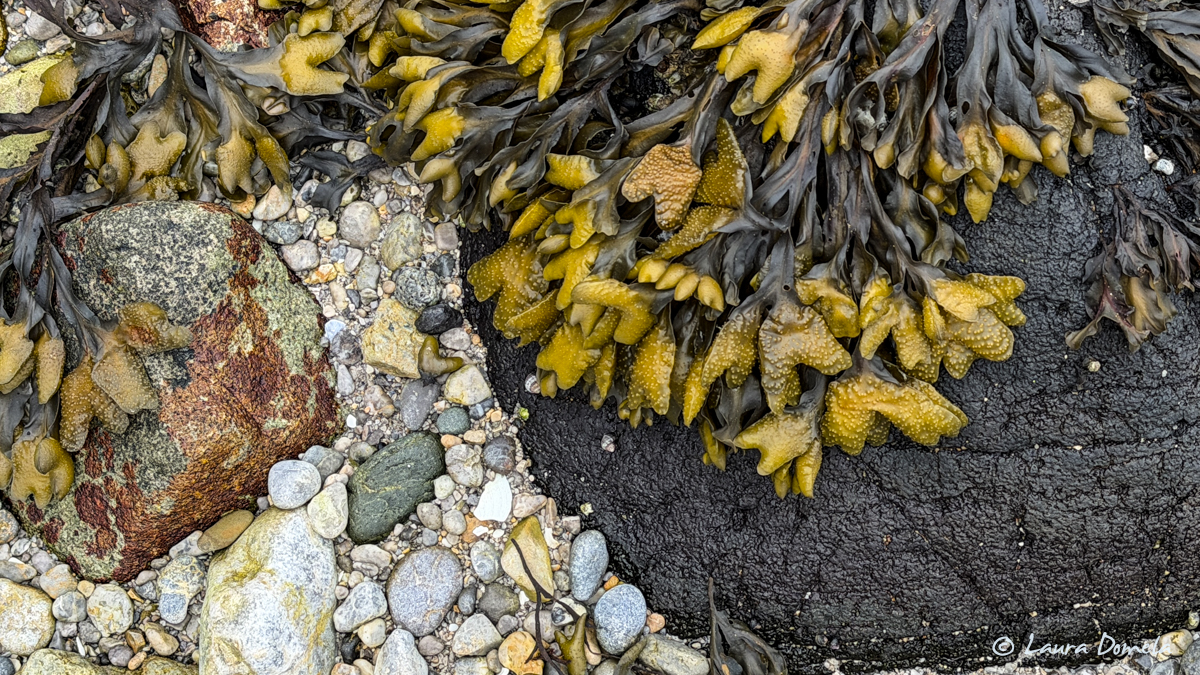
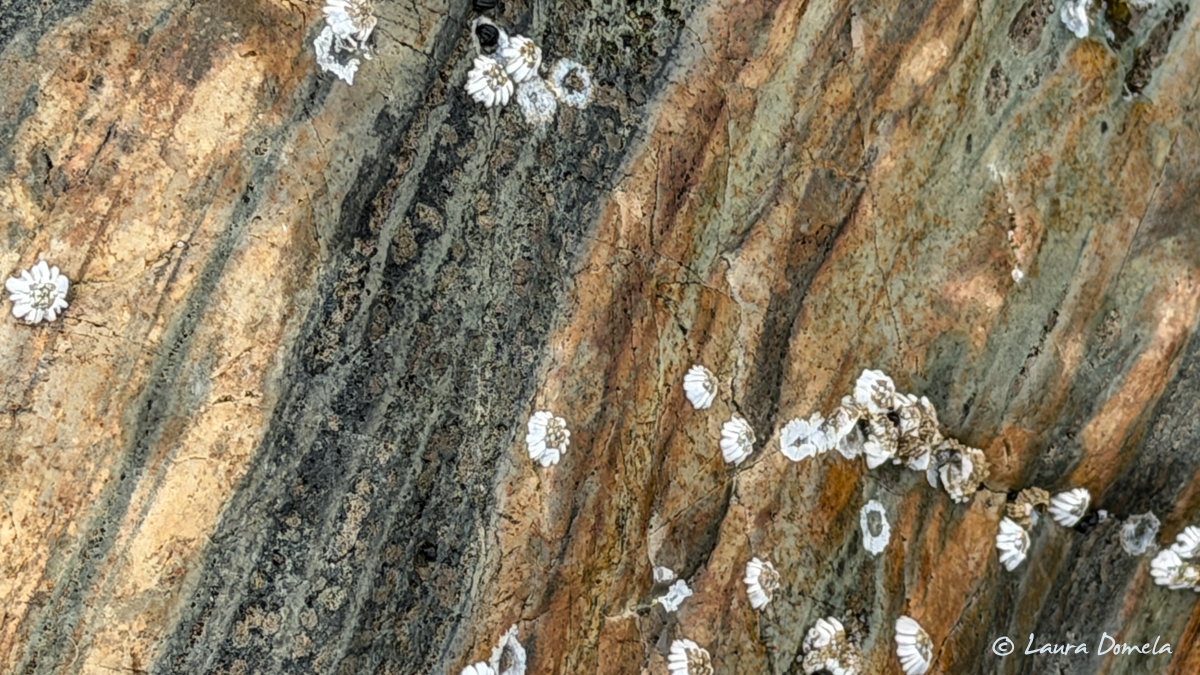
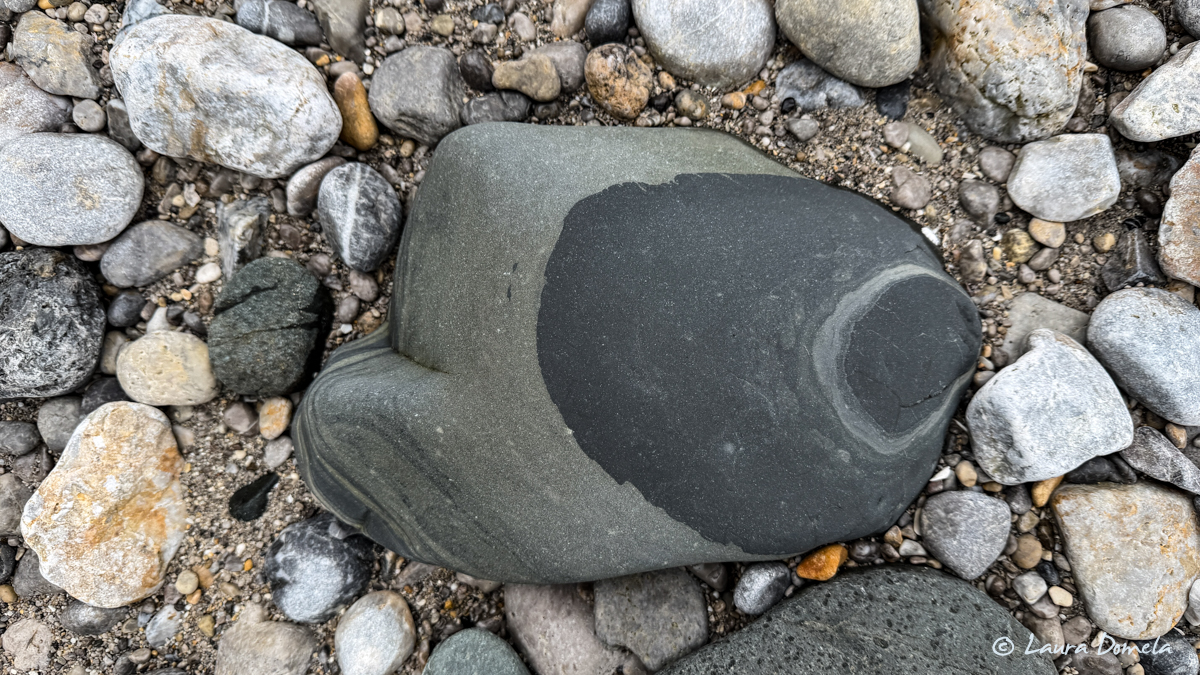
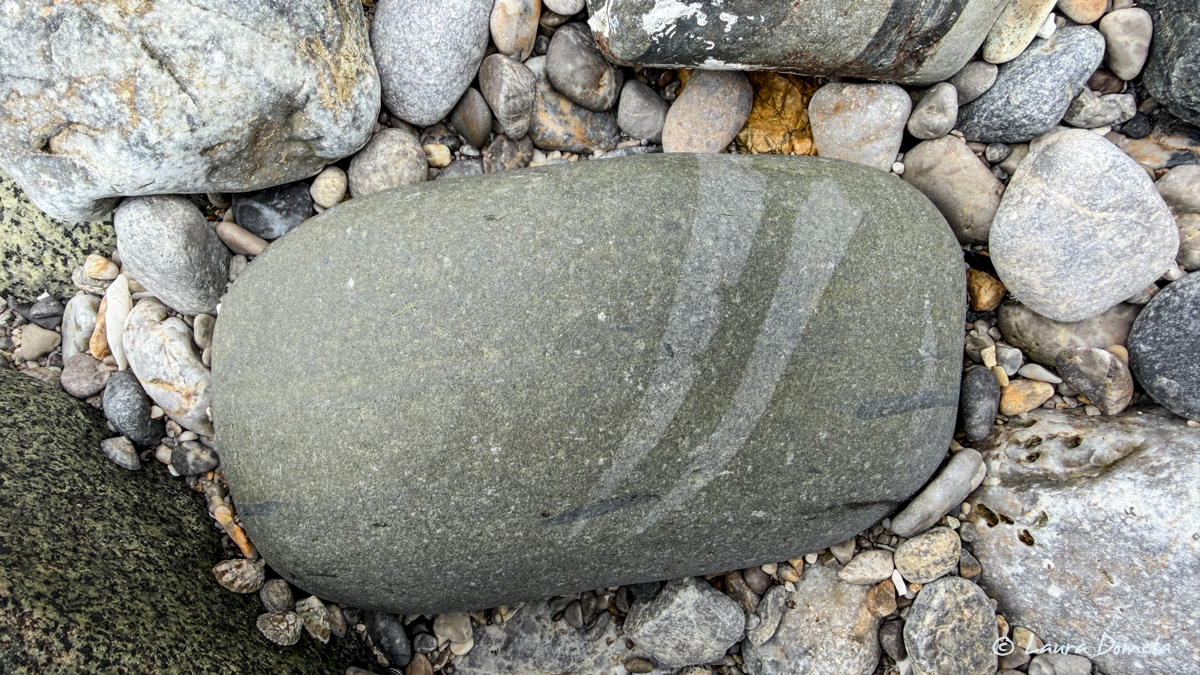
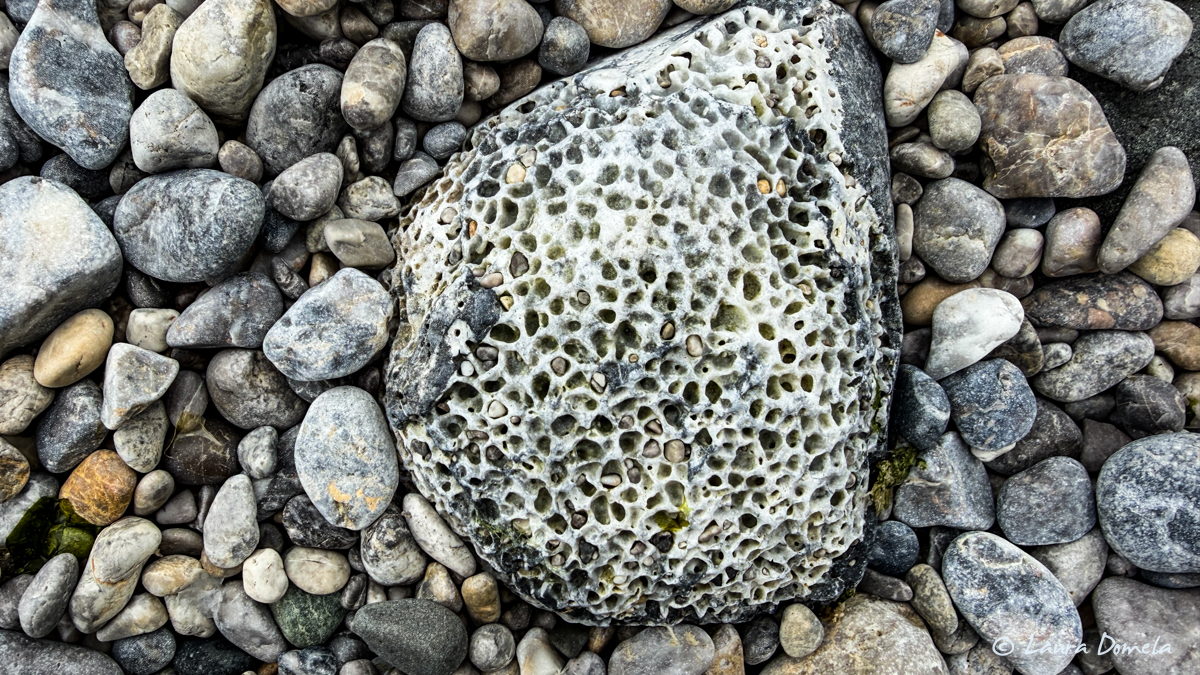
We walked the sandy and rocky beach — so many great textures, and so many different kinds of rocks!
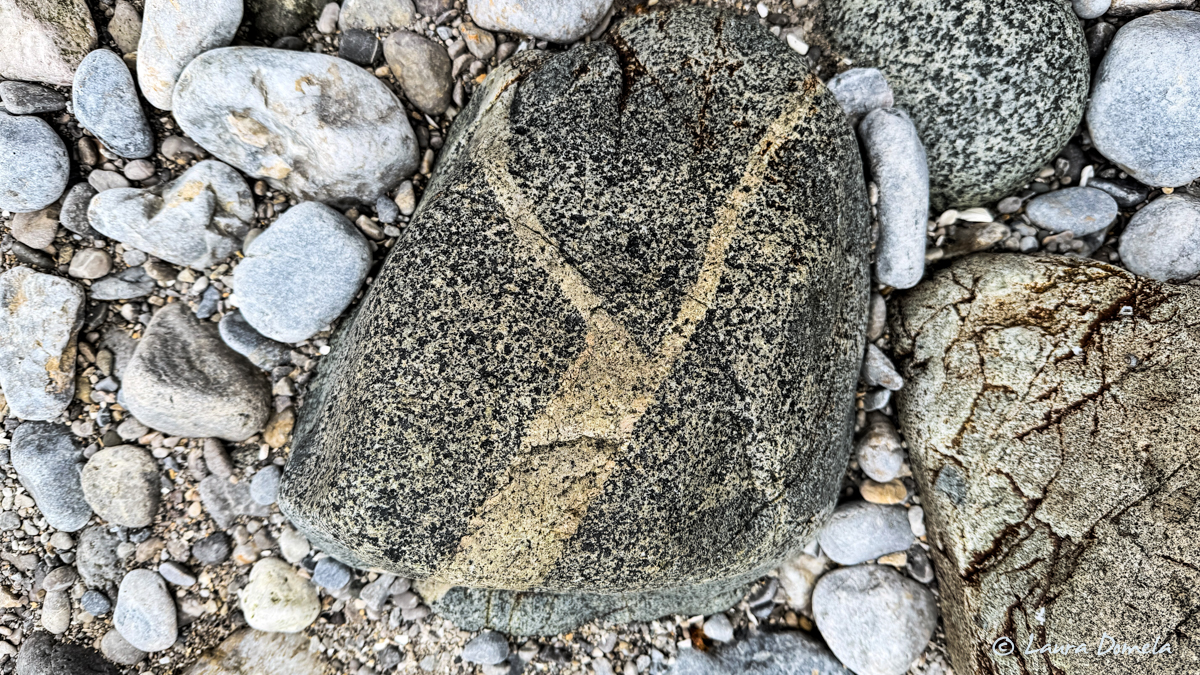
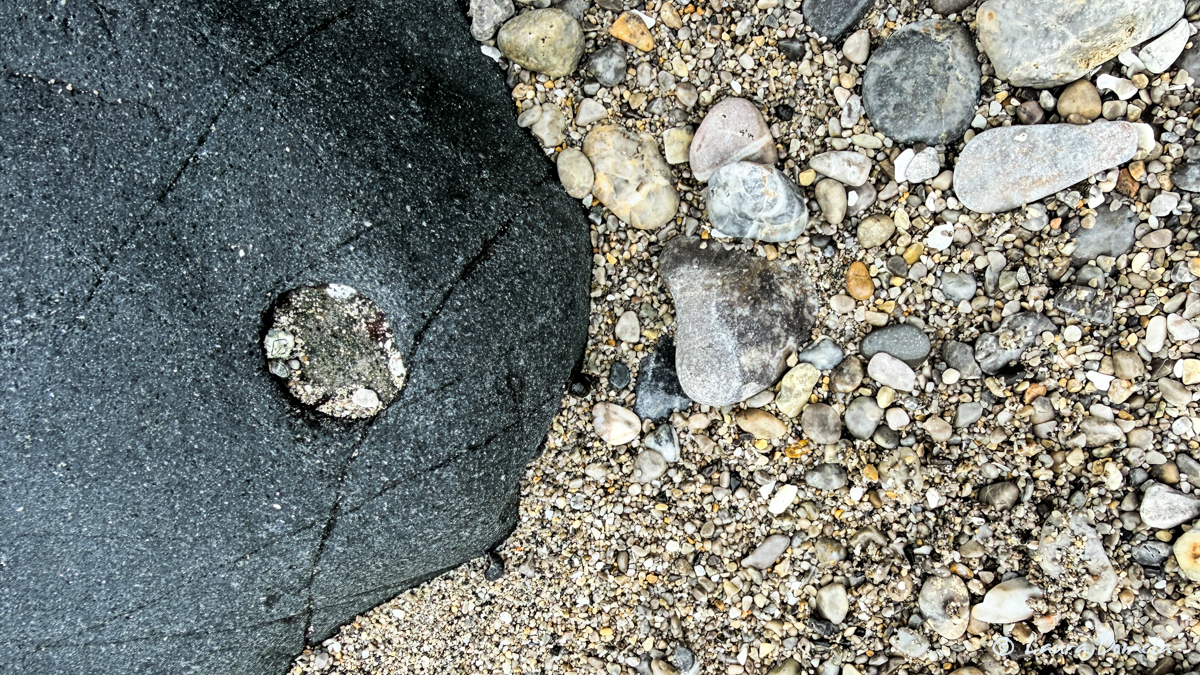
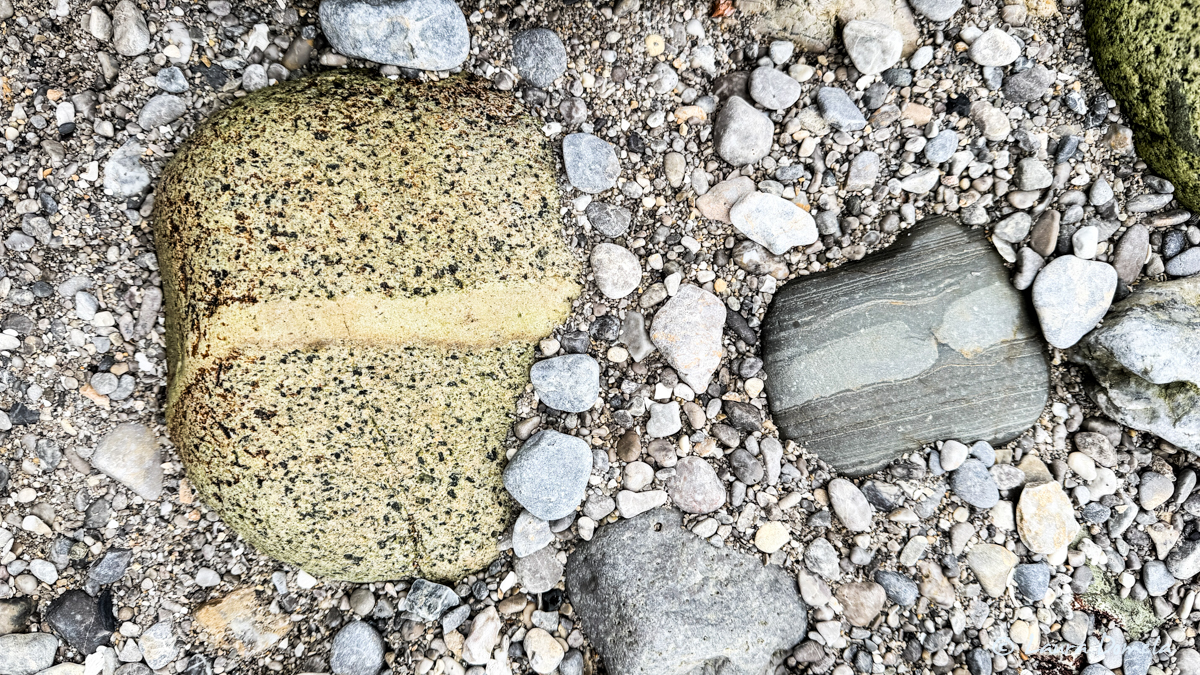
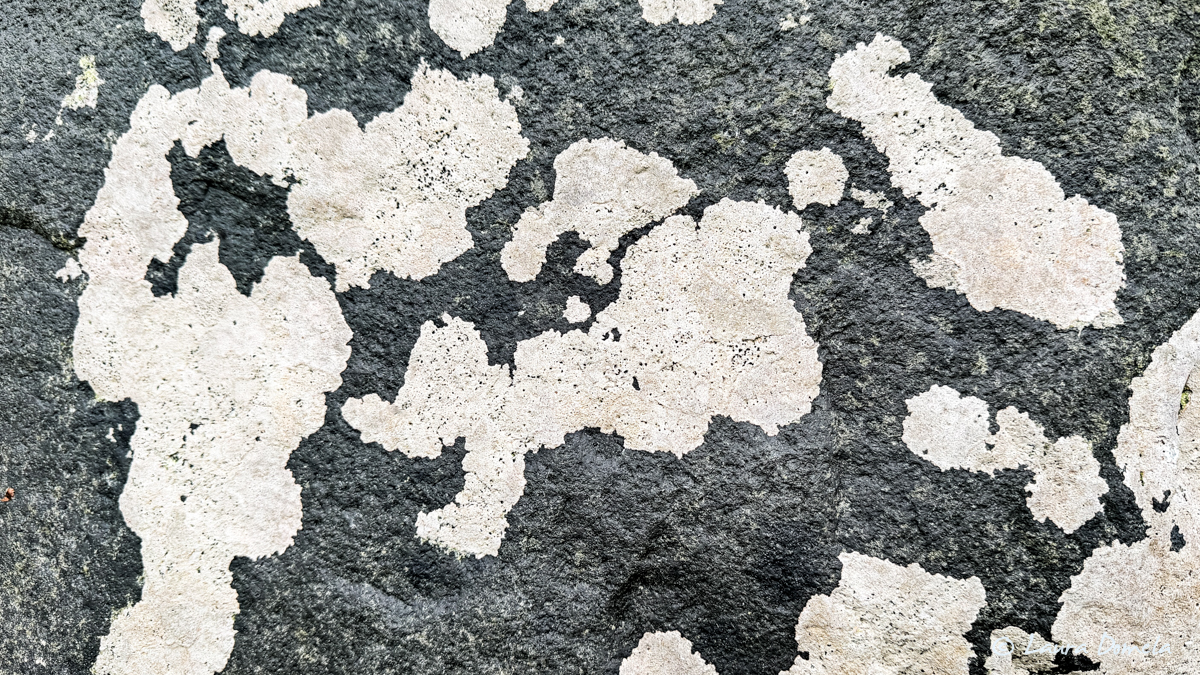
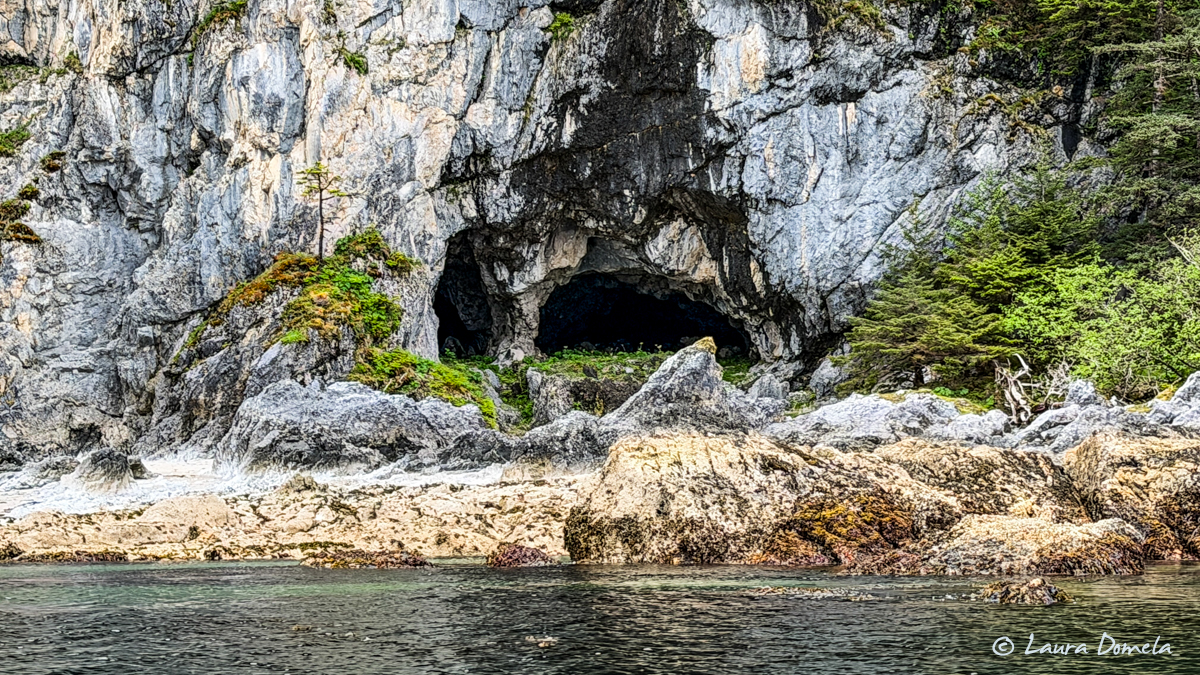
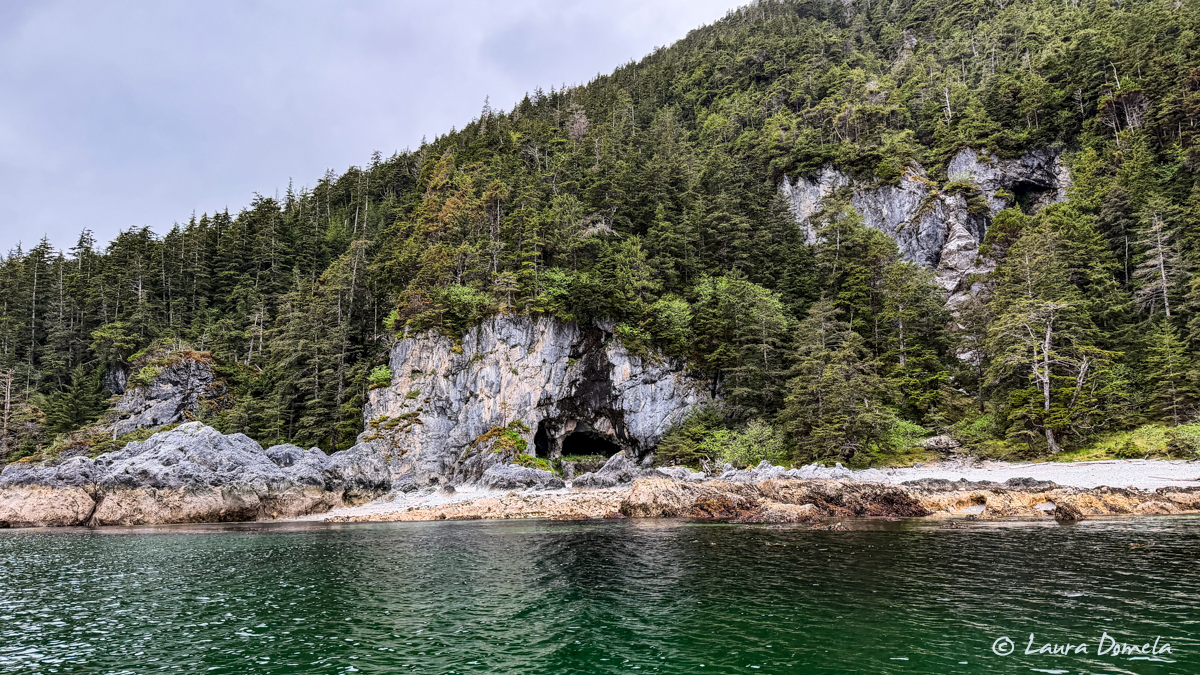
Next it was time to explore the cliffside caves! Though we had some trouble getting all the dinghies safely secured due to the wave surges and rocky shoreline…we eventually aborted our first try, took some dinghies back to the big boats, and Kevin shuttled folks in and dropped them off. It worked way better than having the outboards bang against the rocks, and we really didn’t want any of these heavy tenders getting stuck!
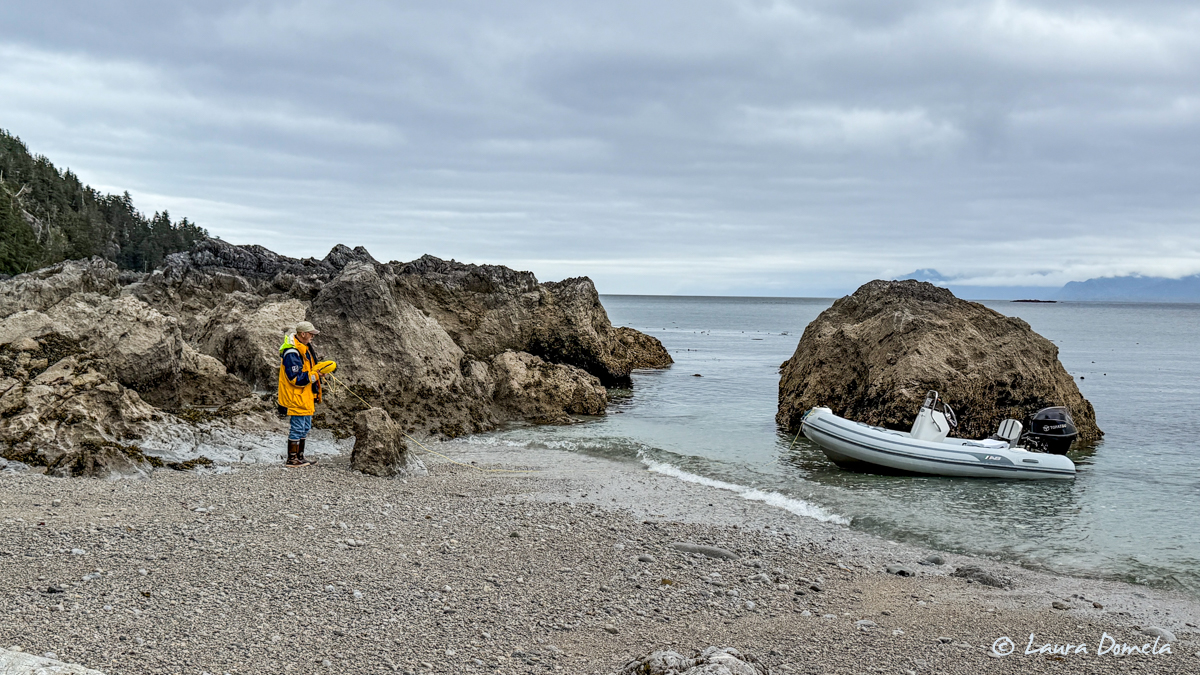
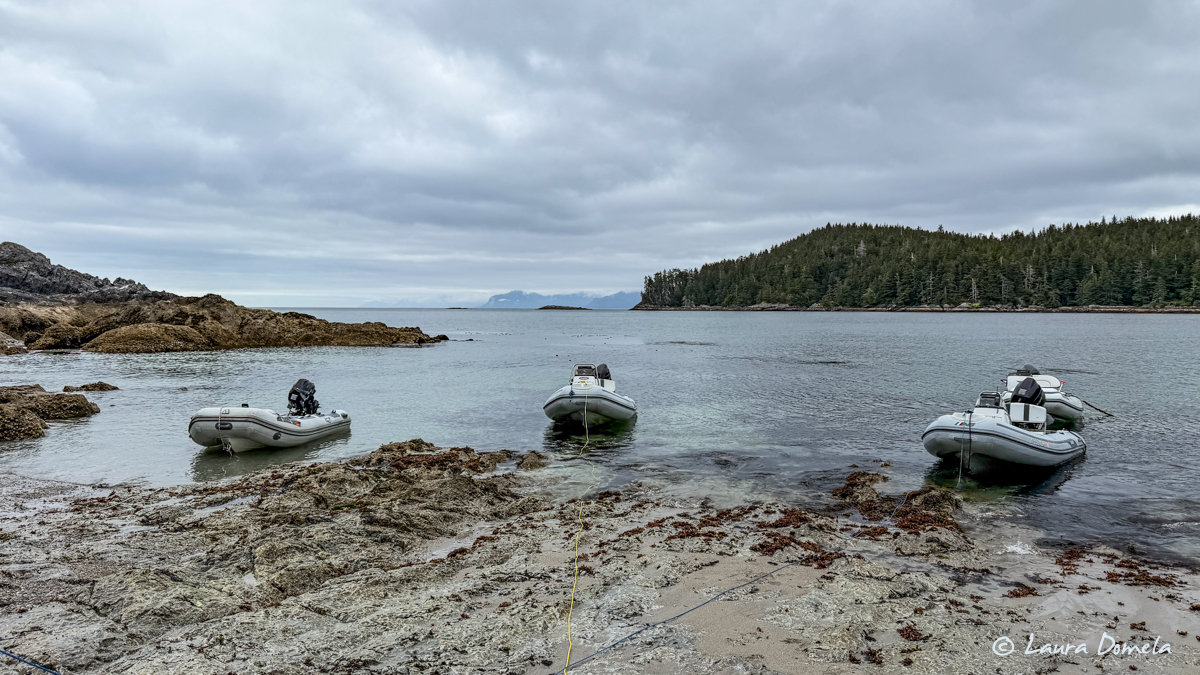
Getting these dinghies all in and bungee anchored and then tied to rocks way up the shore was really a work of art…sad to undo that work, as nice as this looked:
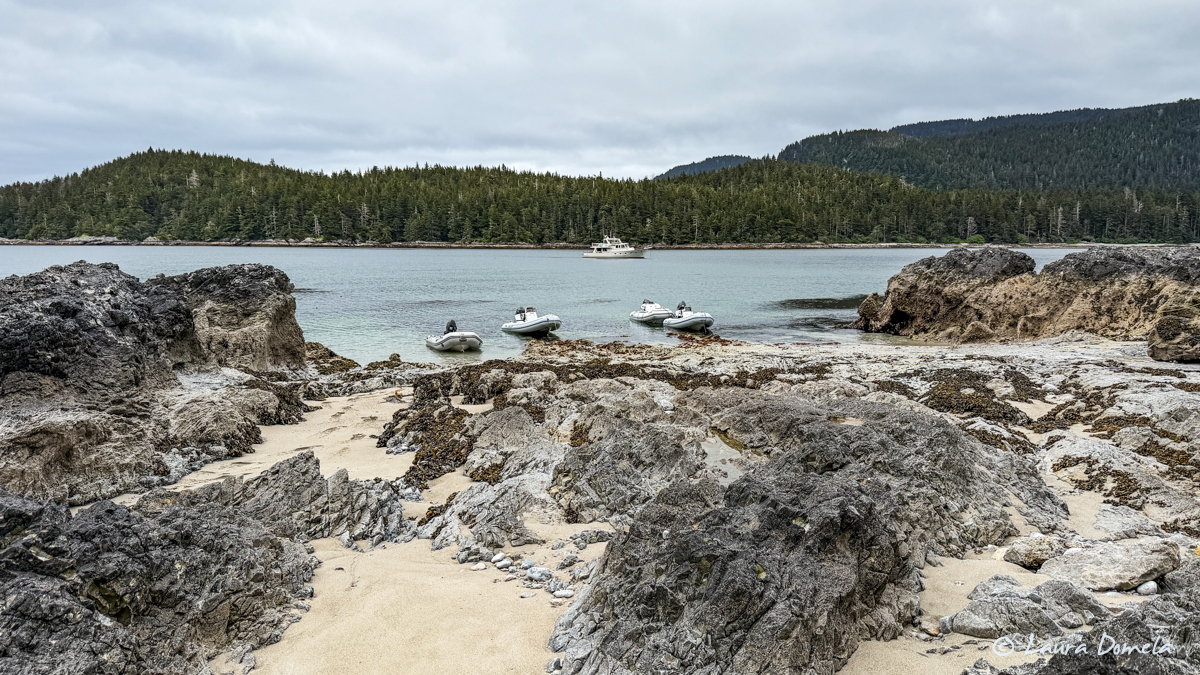
The ferry system worked way better.
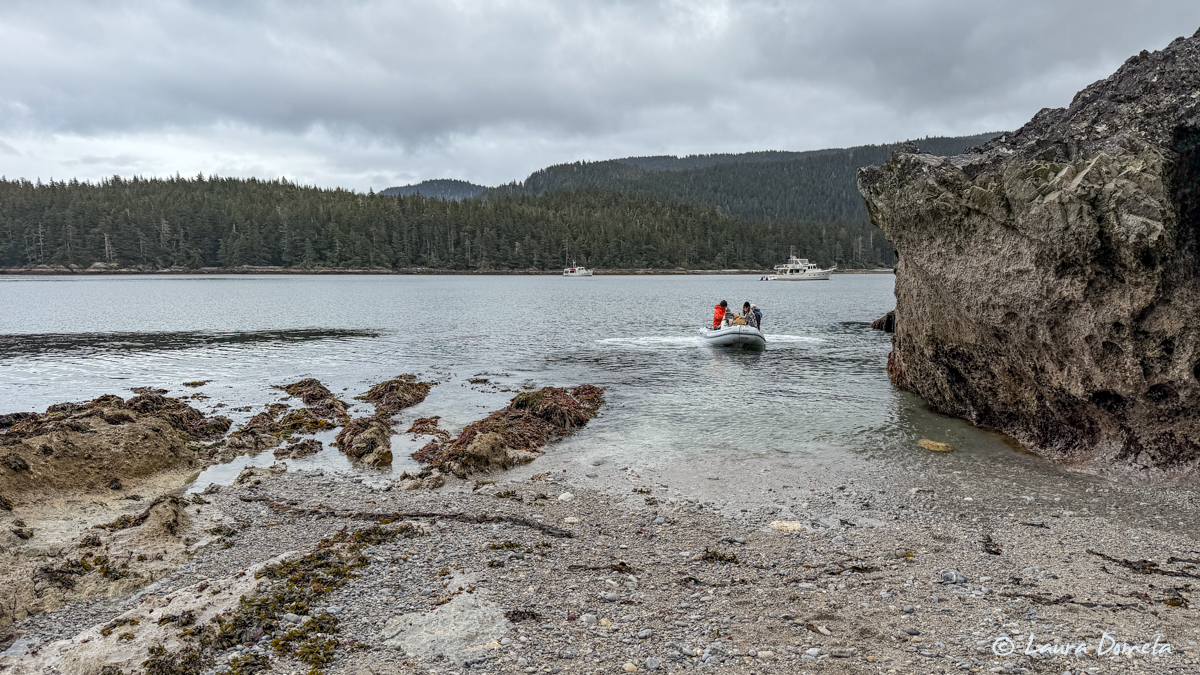
Dramatic evidence of a landslide really needed people in the photo for scale:
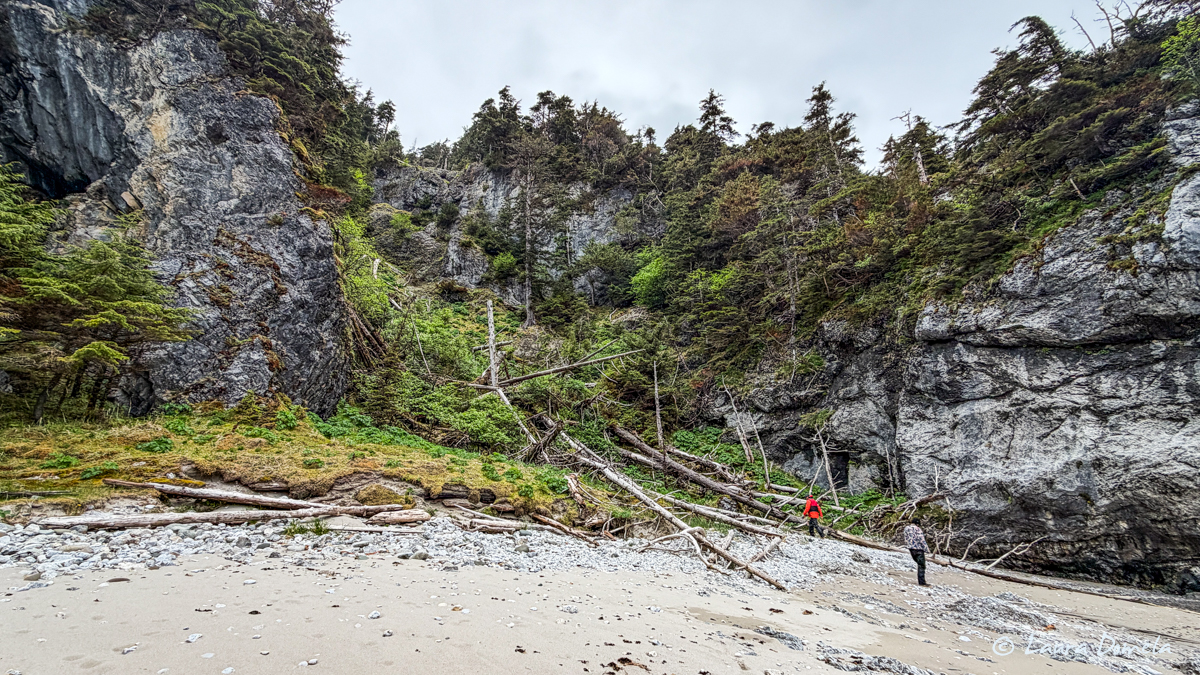
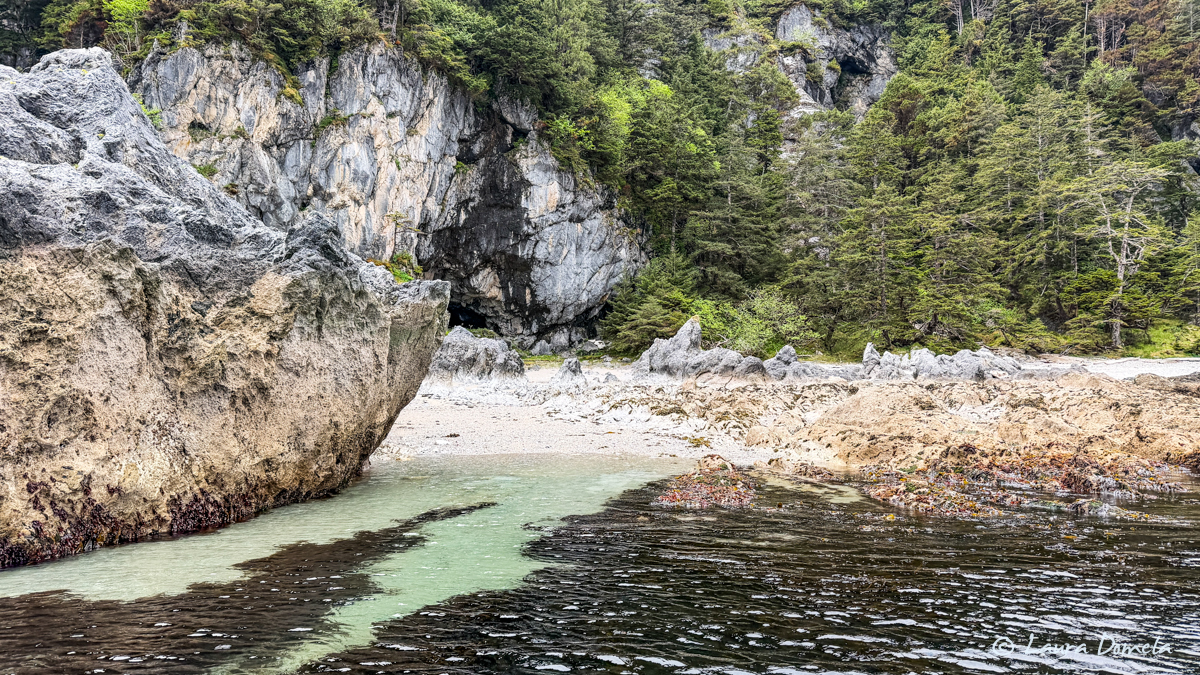
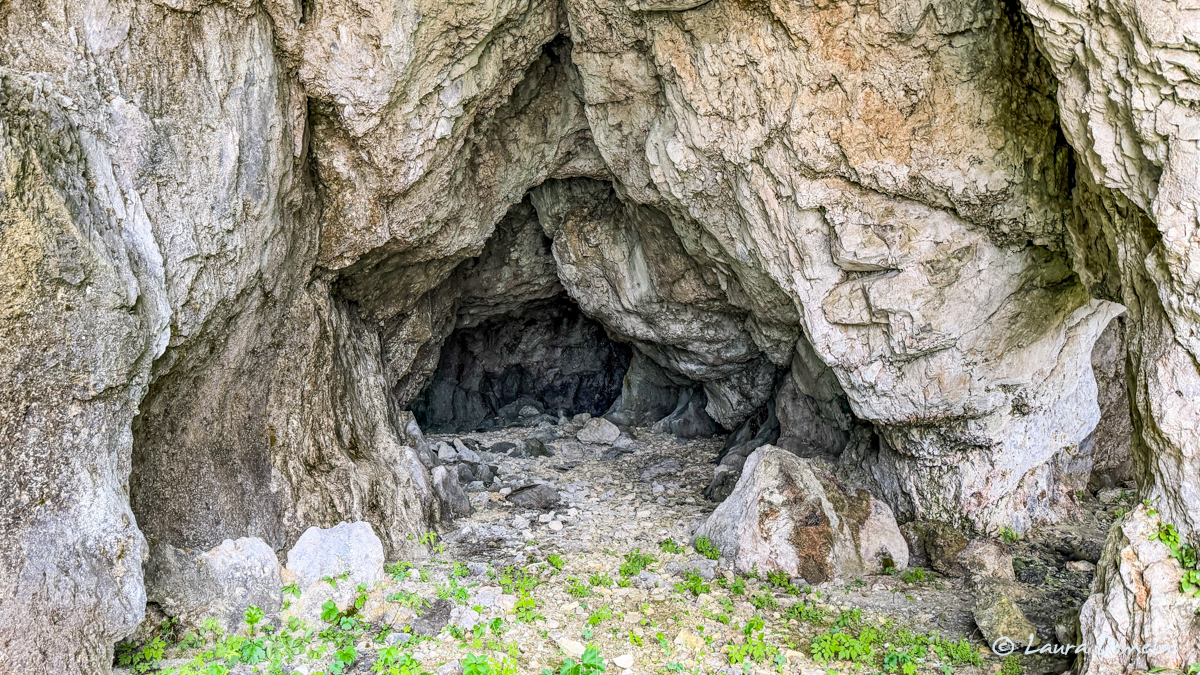
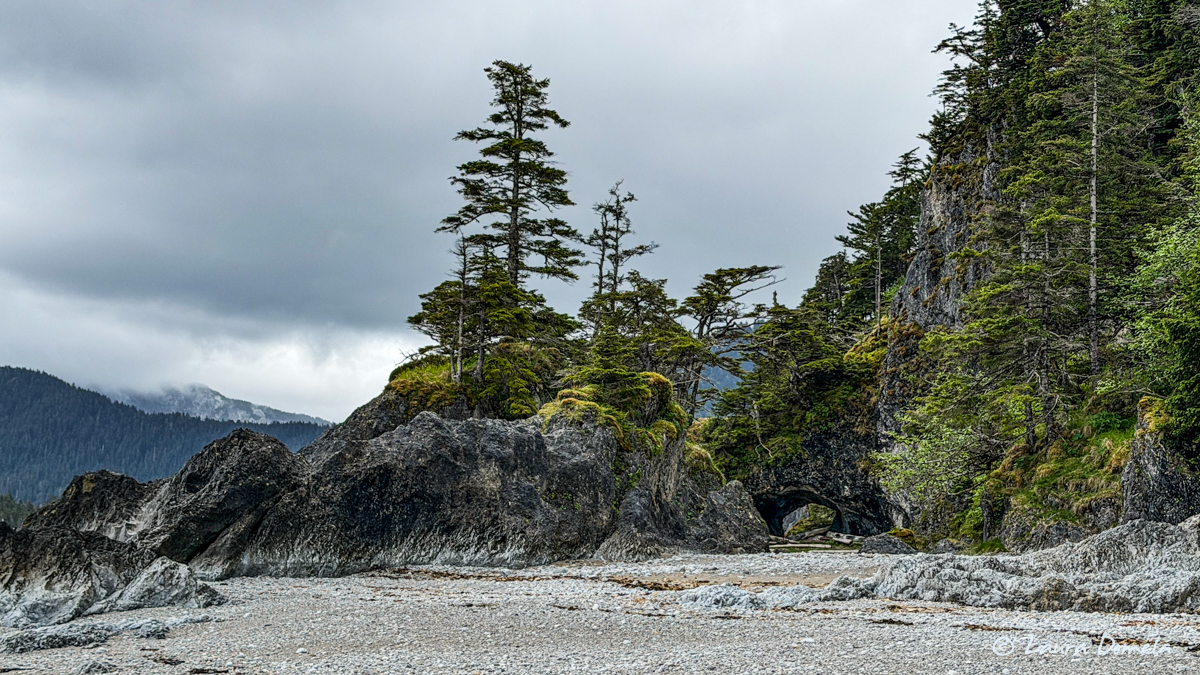
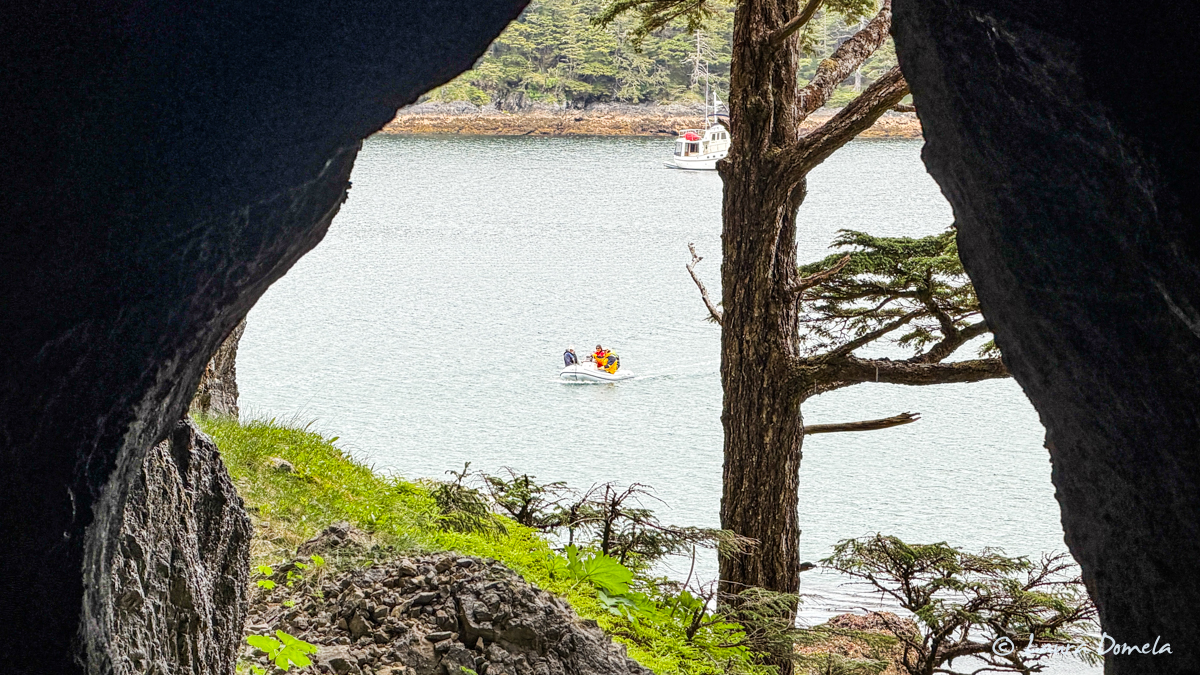
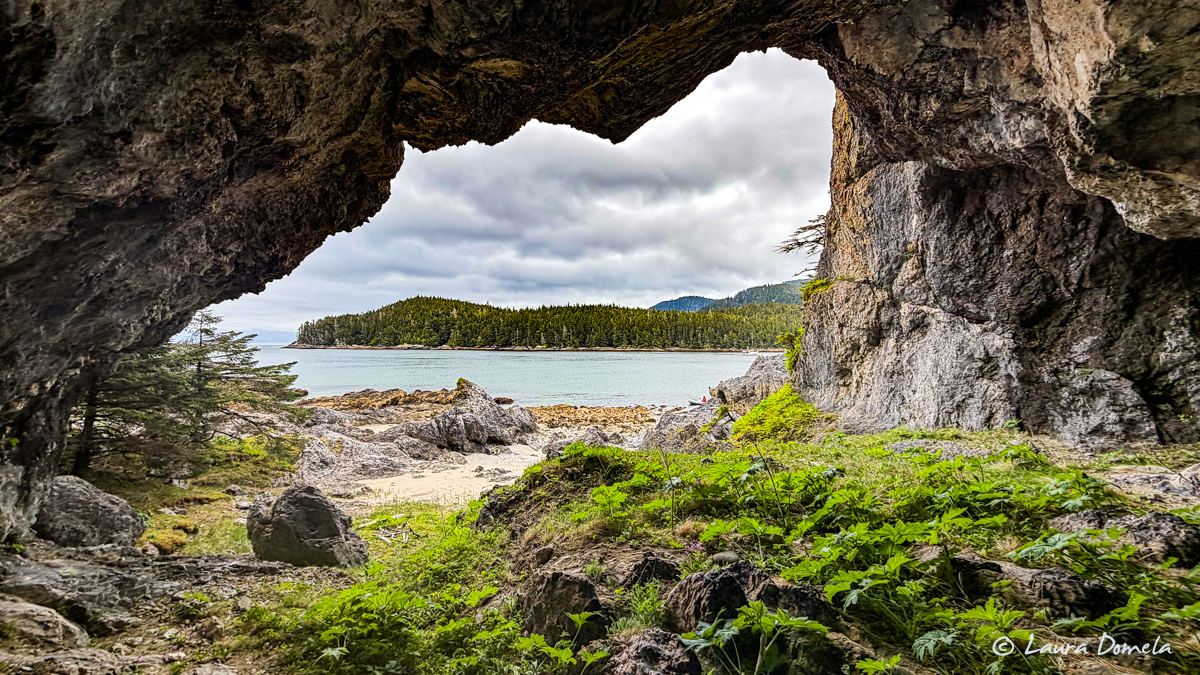
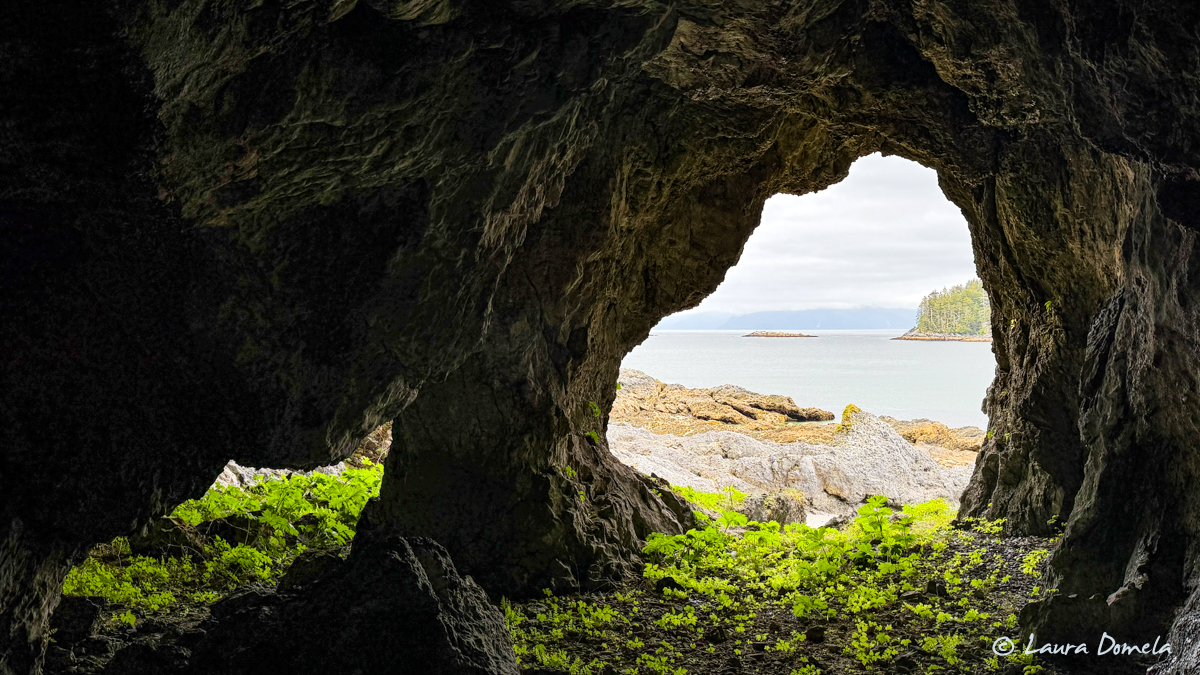
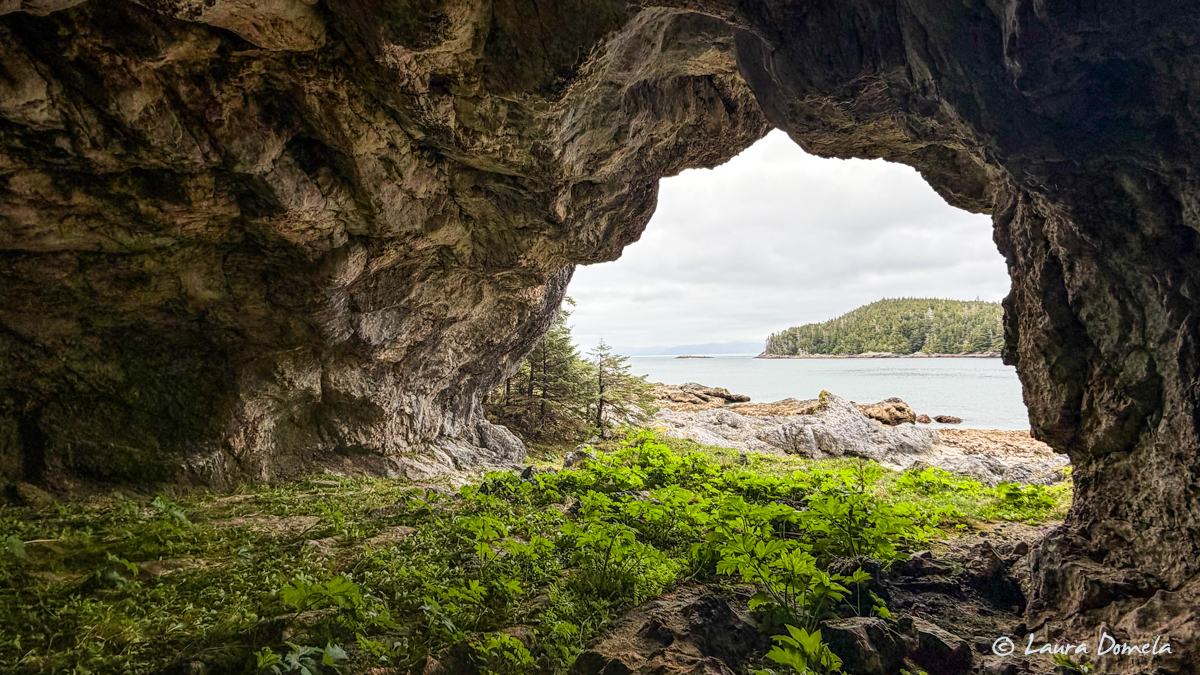
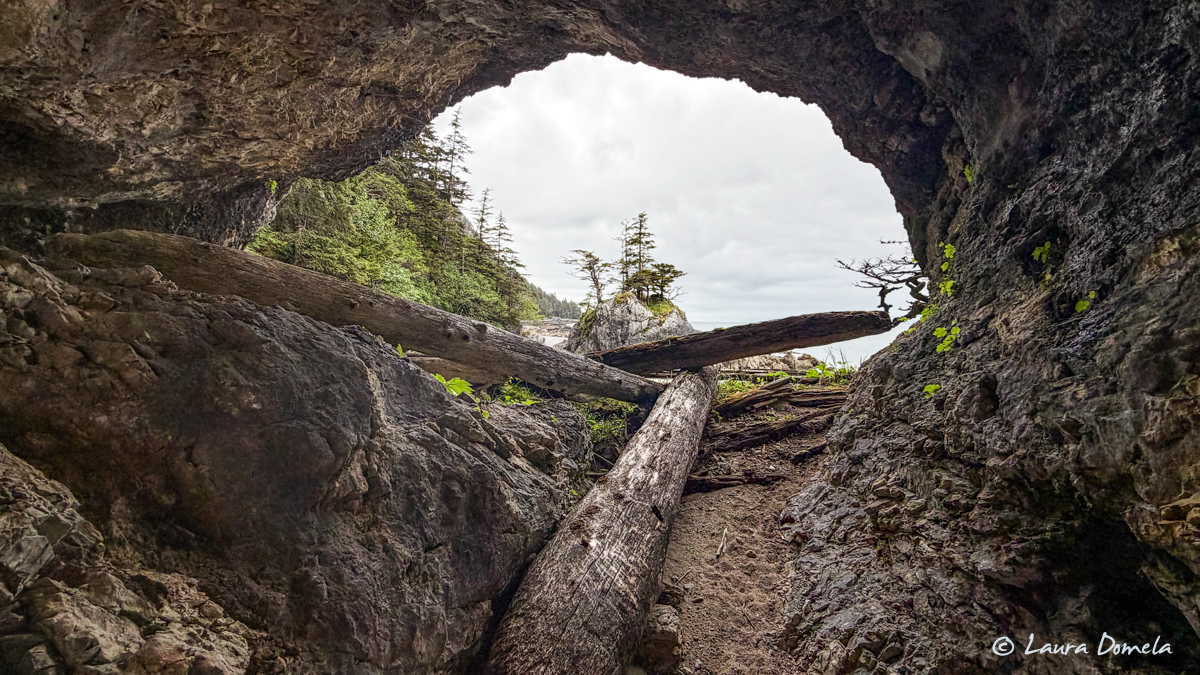
The caves seem much smaller from off shore, but most of them are quite large and several go quite a ways back (where the iPhone flashlight doesn’t quite cut it).
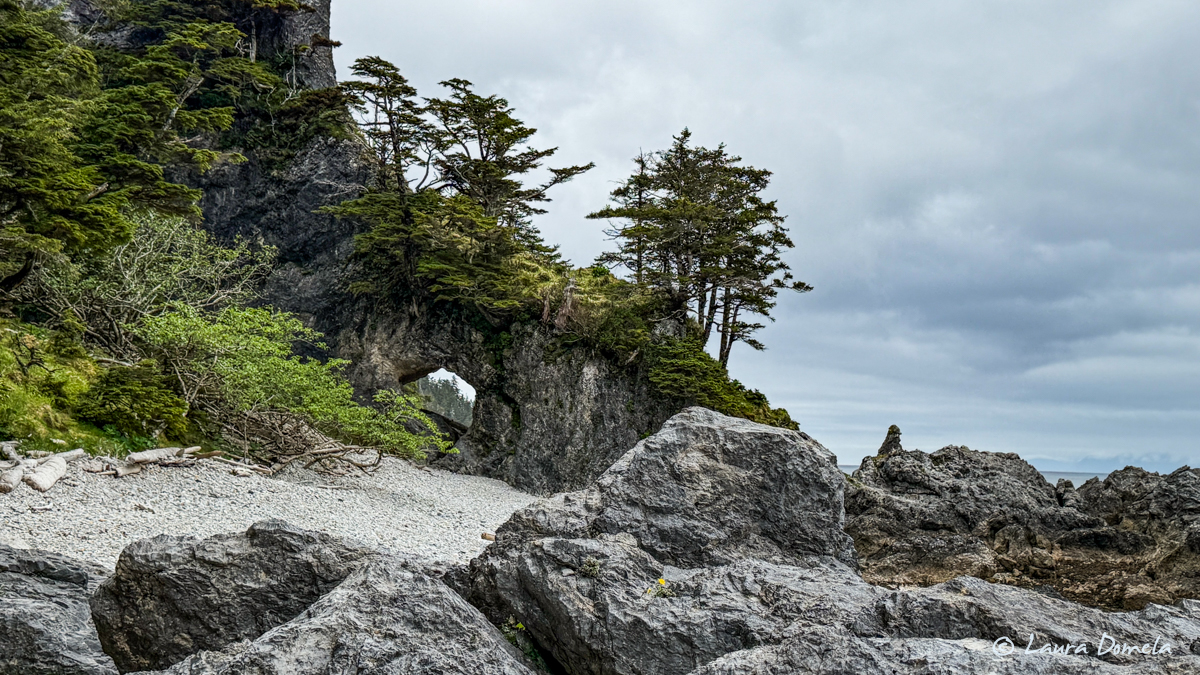
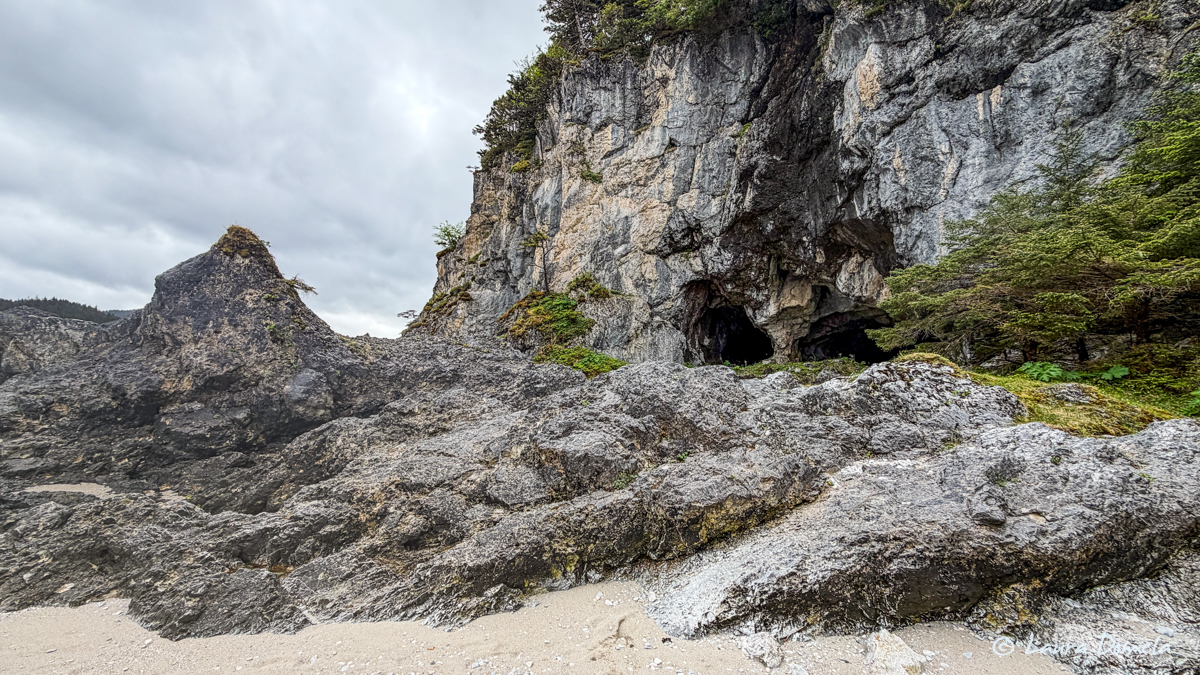
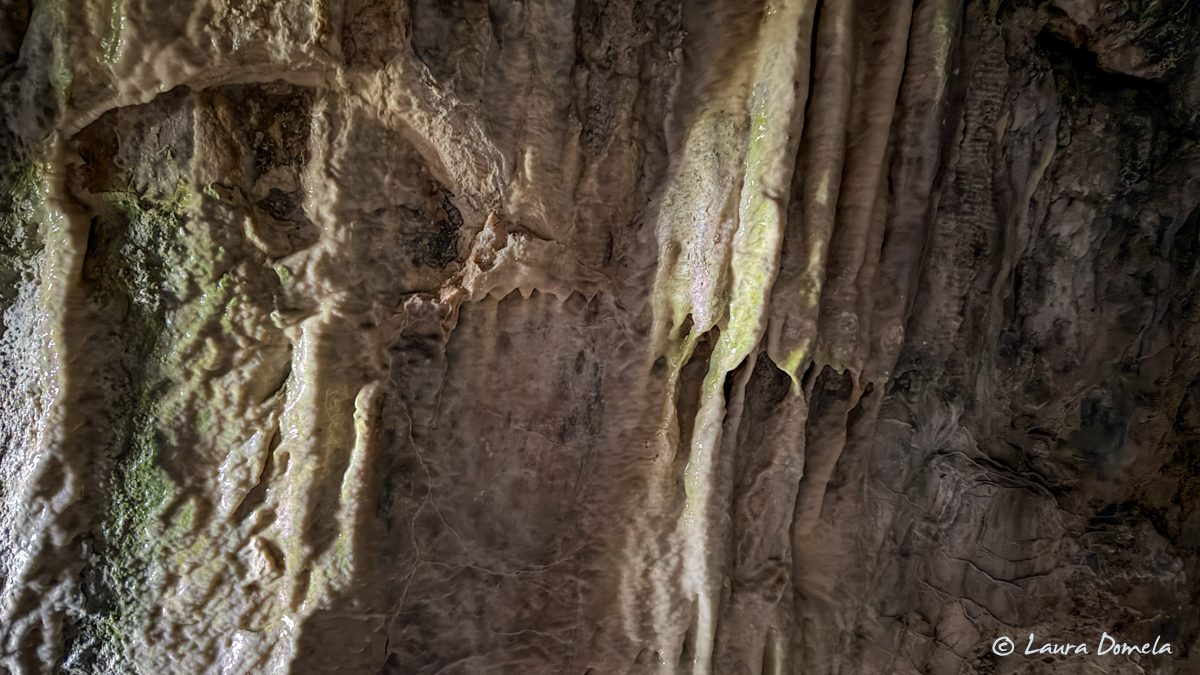
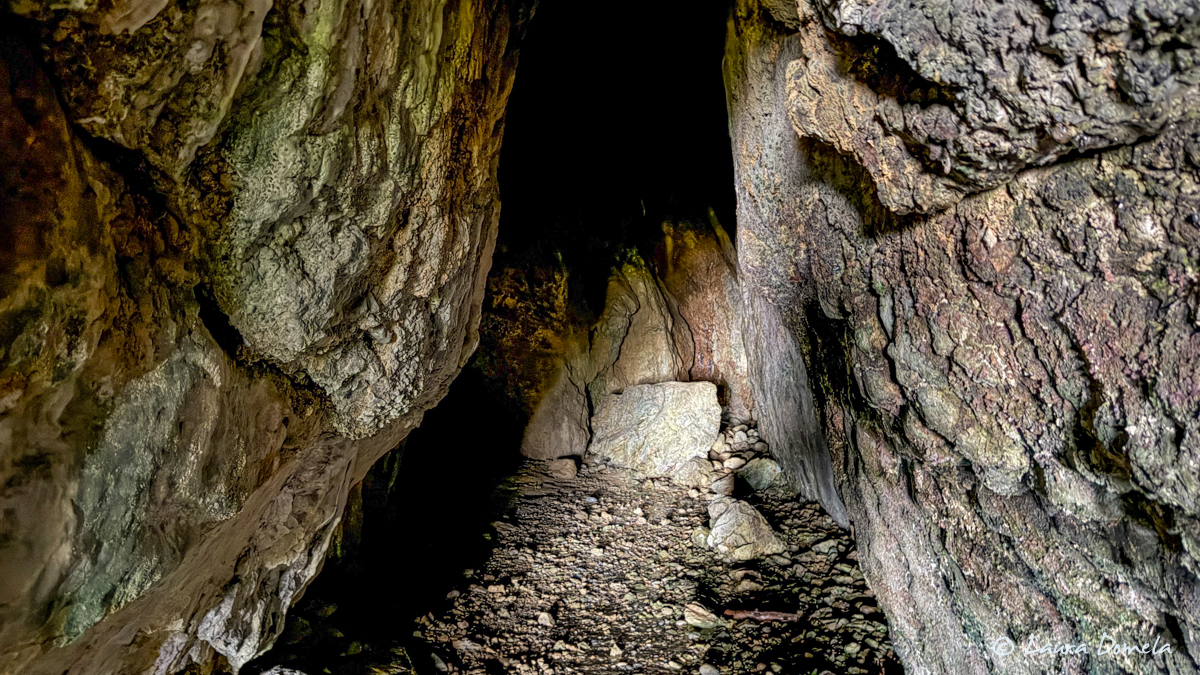
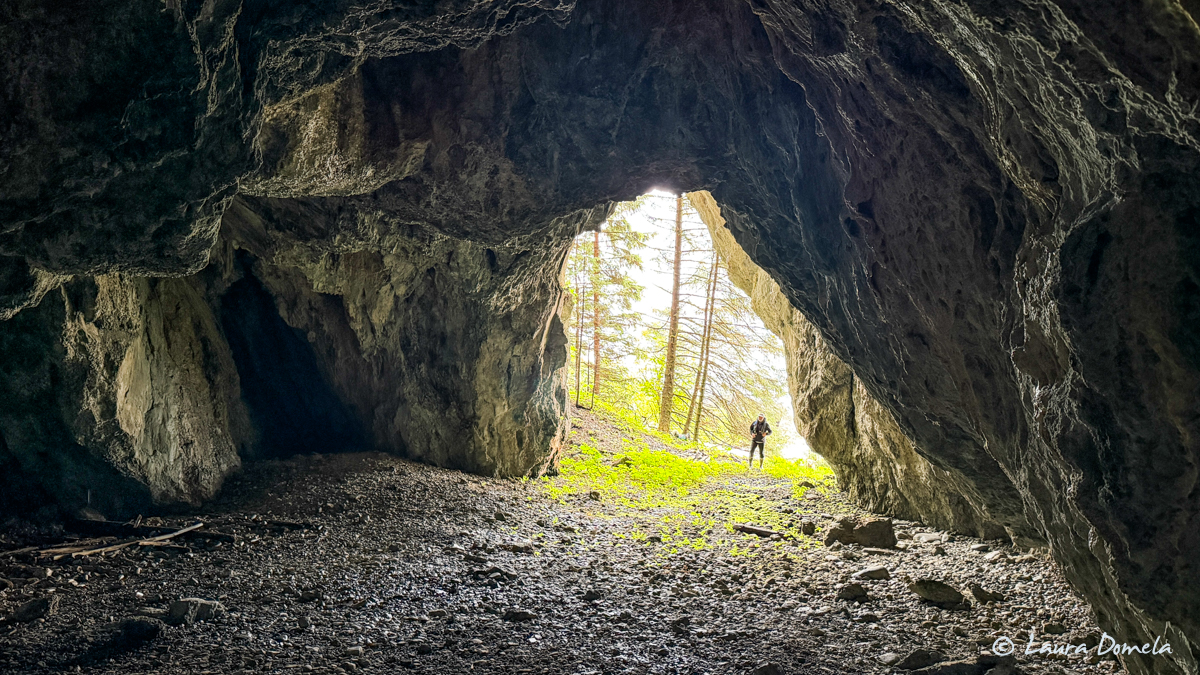
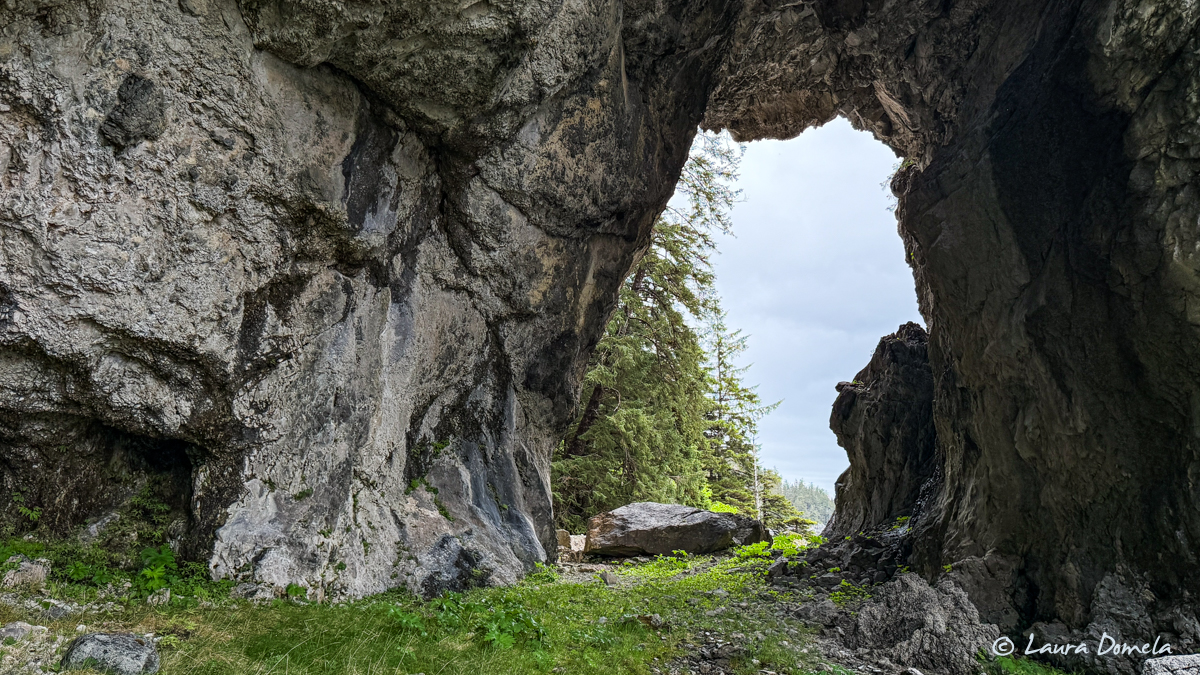
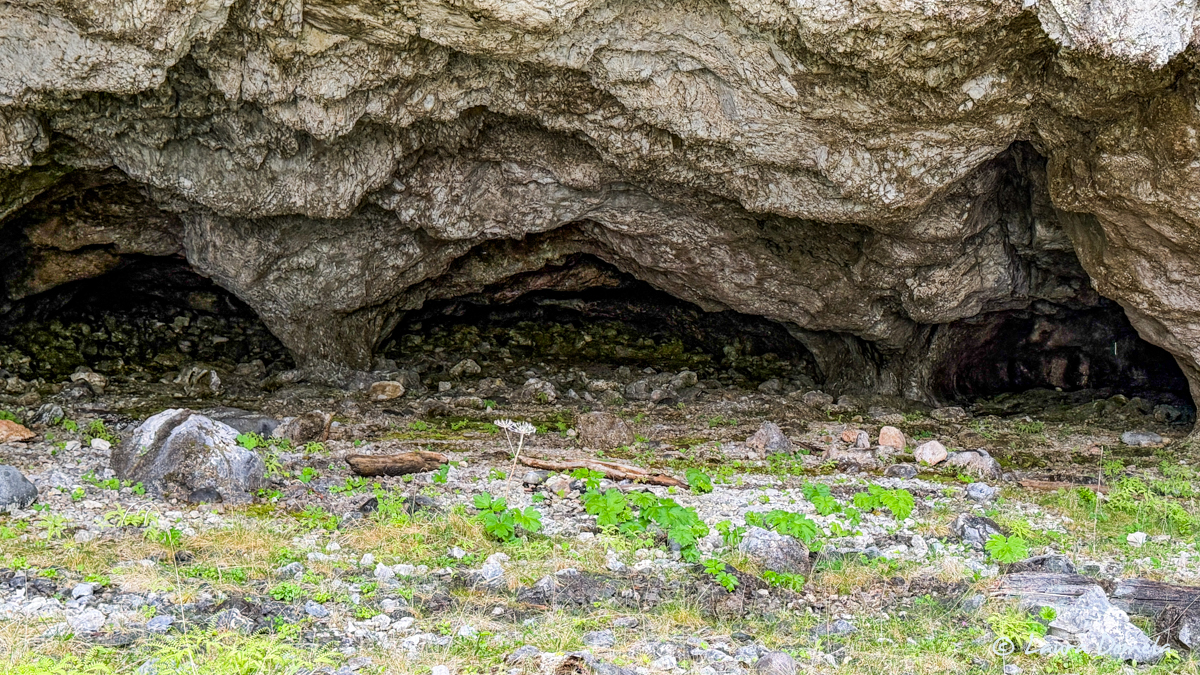
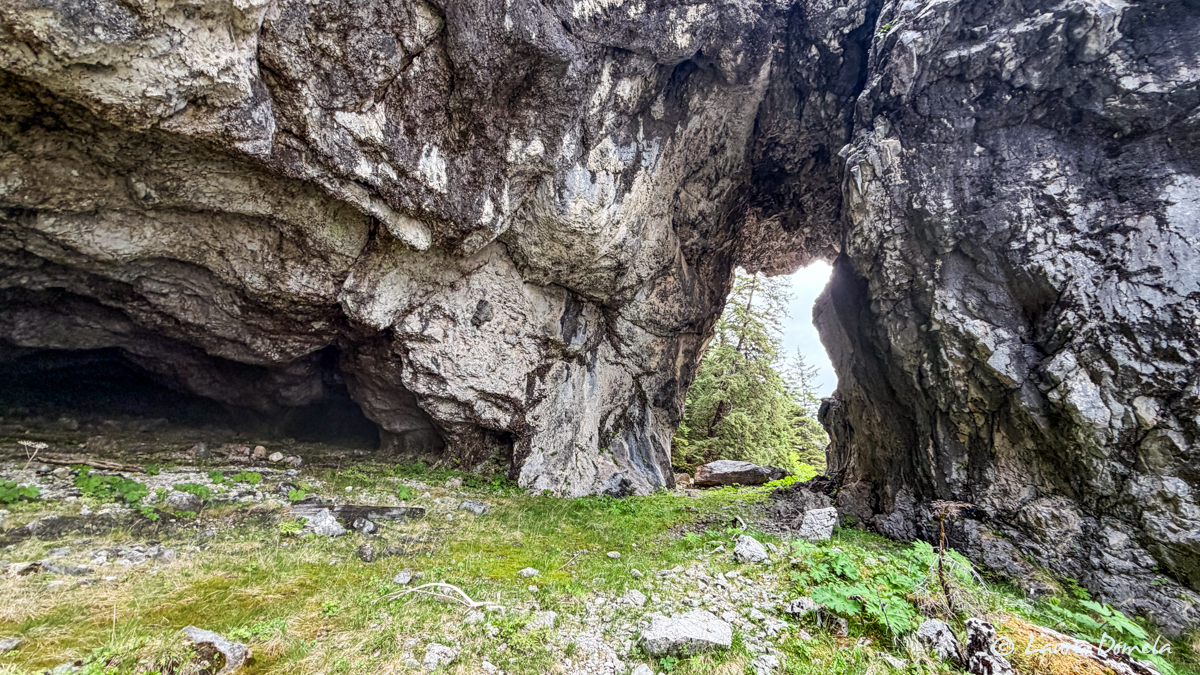
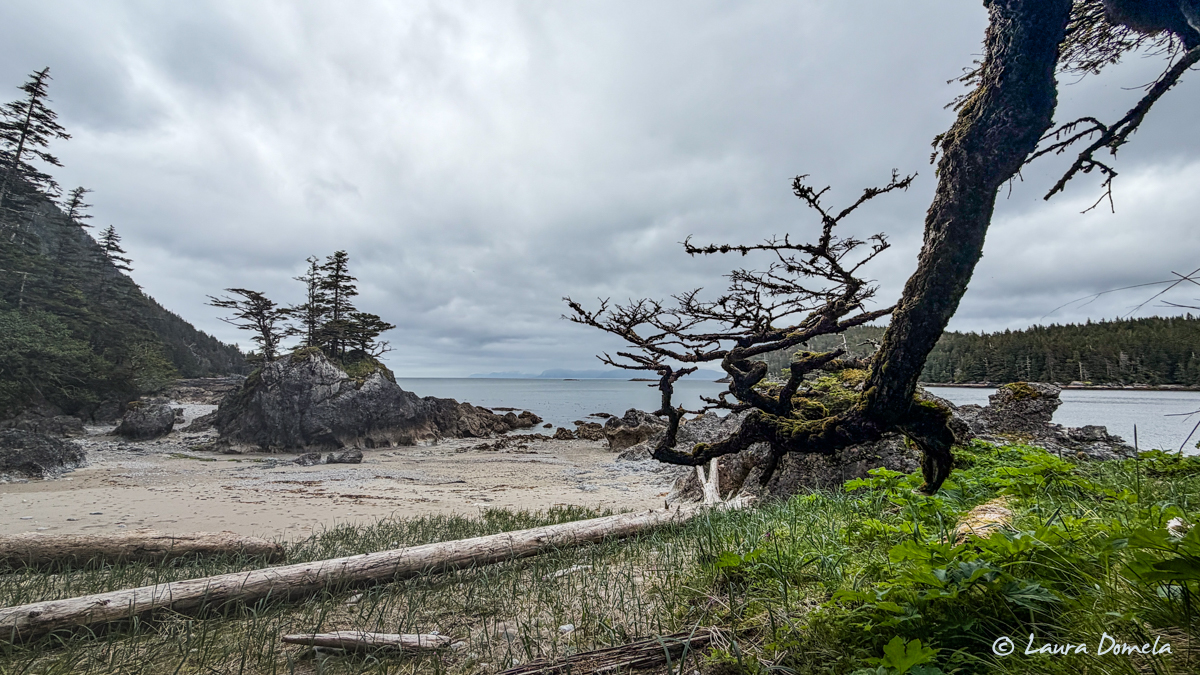
It’s very clear from the shape of the trees on the coast line that this island (even in this bay that feels somewhat protected) gets pummeled by weather of the winter months.
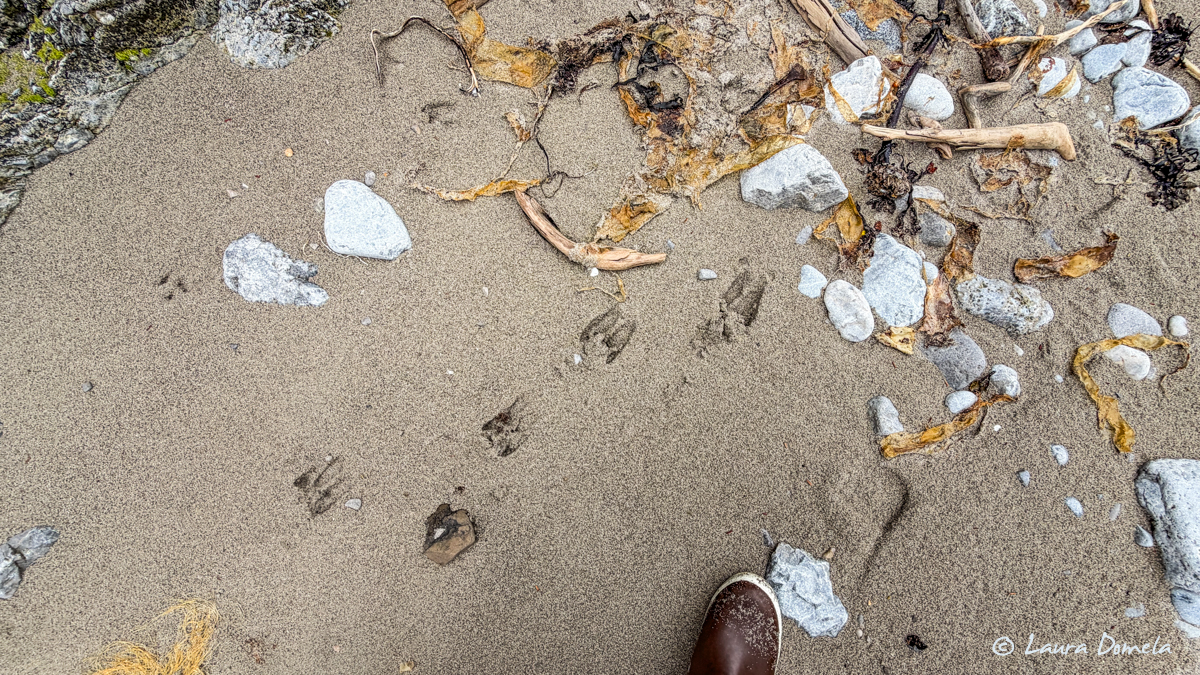
There are no bears on this island (that we know of), but plenty of deer. In the 1960s, researchers brought four wolves to Coronation Island, two males and two females, to deal with the deer overpopulation, but the experiment didn’t work for a number of reasons, the end result being that the wolves ate all the deer and then starved. 🙁
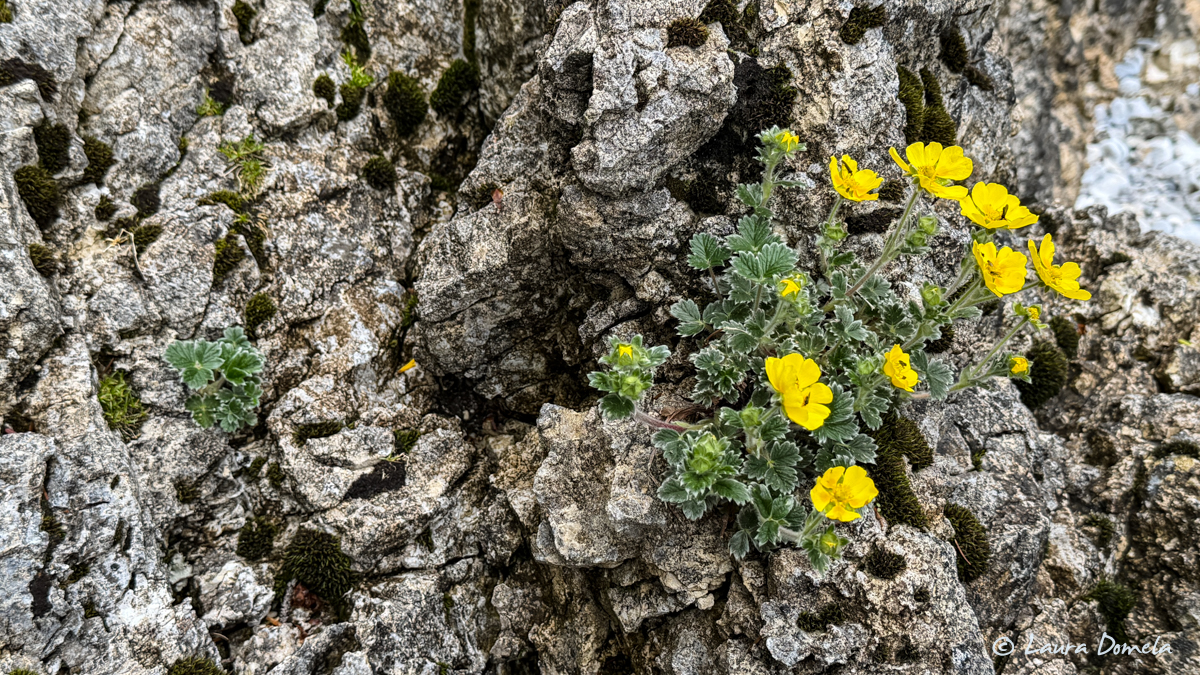
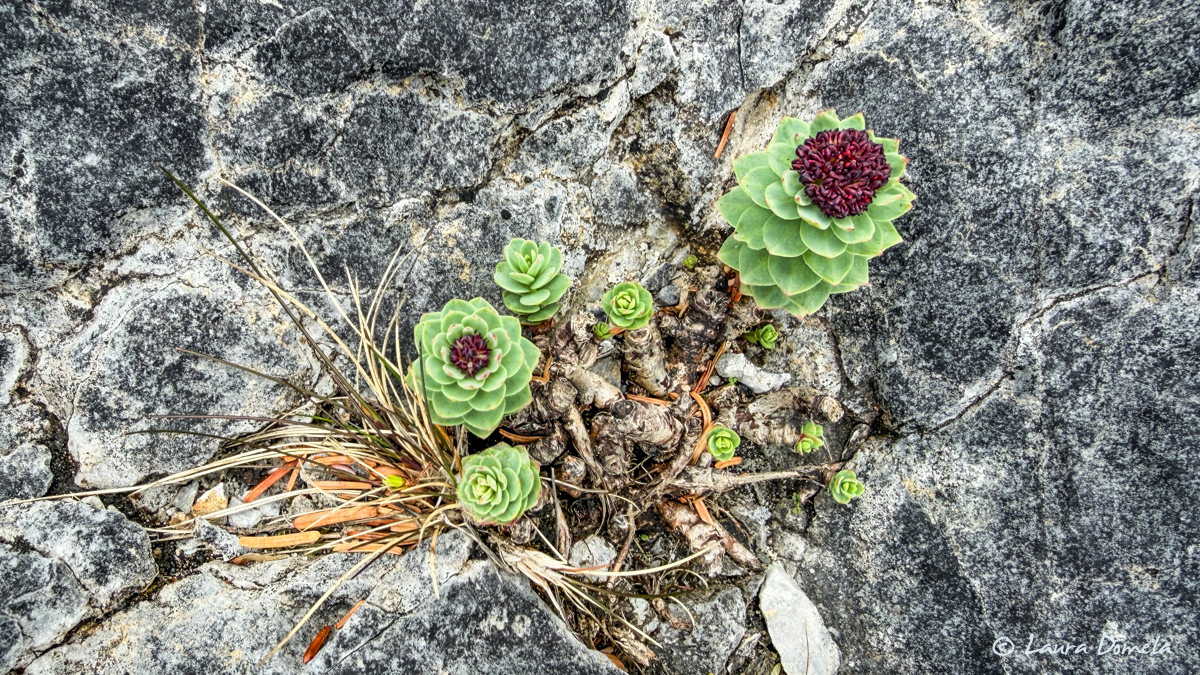
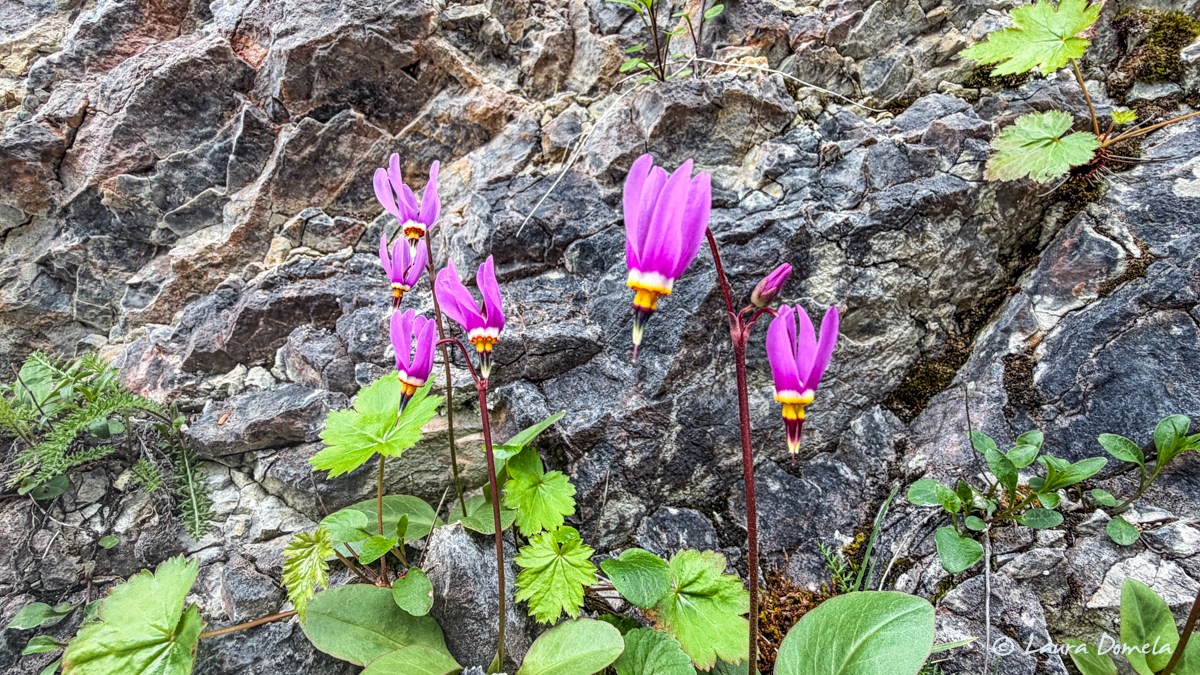
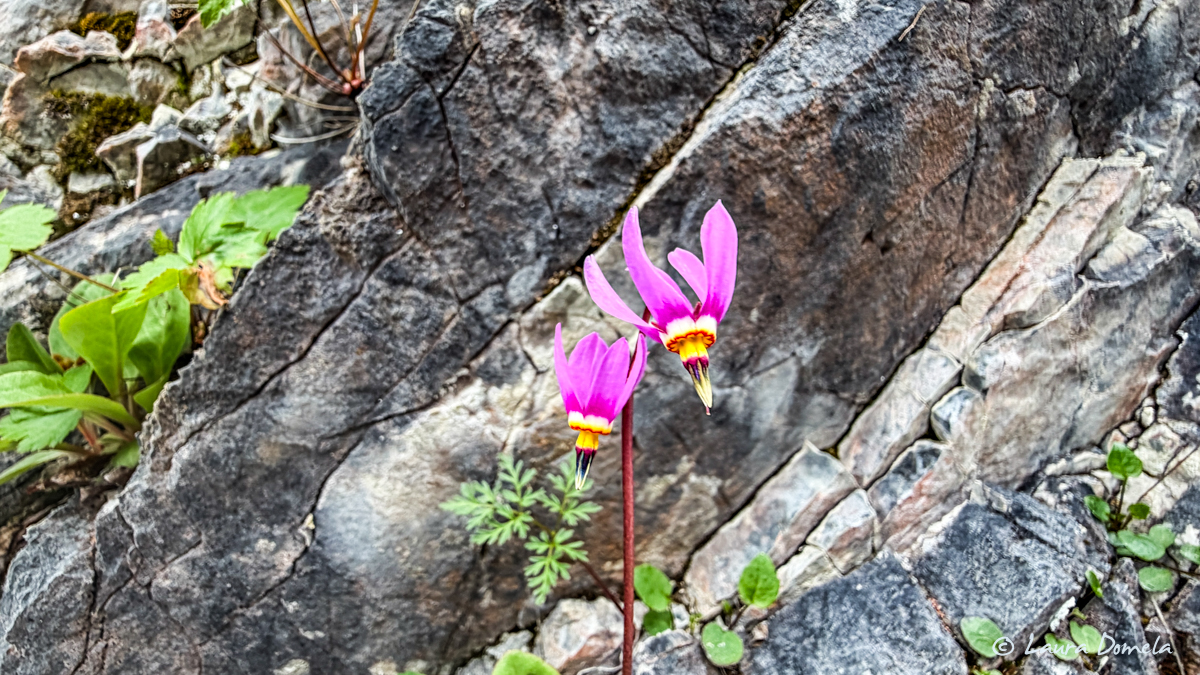
There are quite a few different kinds of wildflowers growing out of the rocky outcroppings.
Most of us had gotten a bit wet (including overfill into the tall Xtratuf boots while playing dinghy valet!), and it began to drizzle as we started back. Our warm boats (and warm showers, and warm drinks) were a nice reward after the fantastic cave exploration!
We gathered on Airship for a fun happy hour (or two) and talked about the day, our favorite spots so far, and what’s coming next. A worthwhile adventure getting down here today!